.png)
Music
When Plato said, “Music gives a soul to the universe, wings to the mind, flight to the imagination,” he was likely onto something.
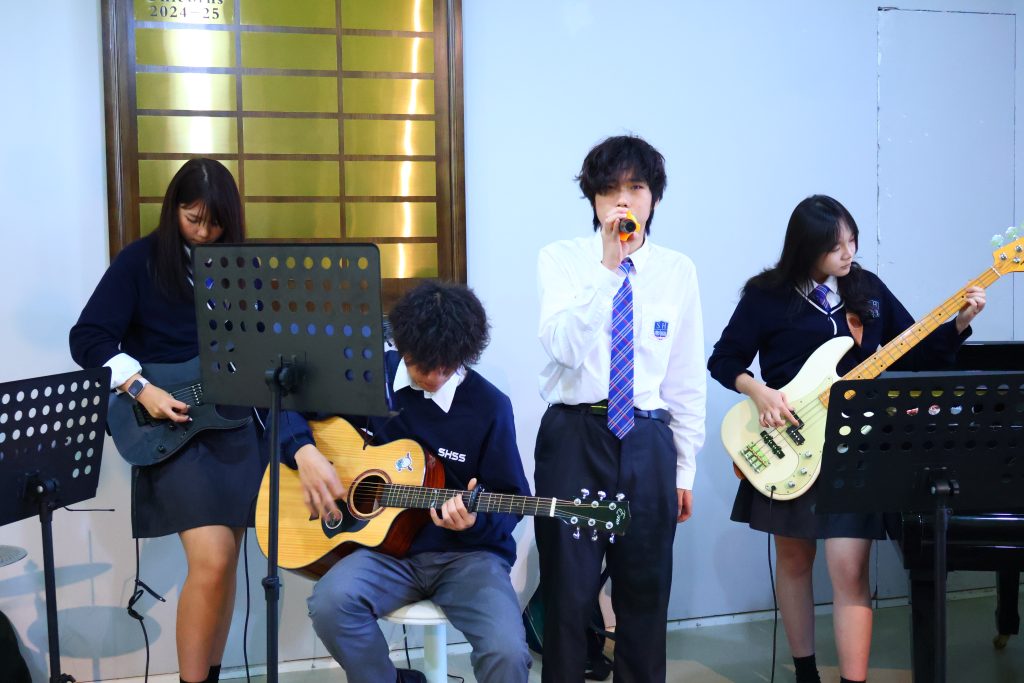
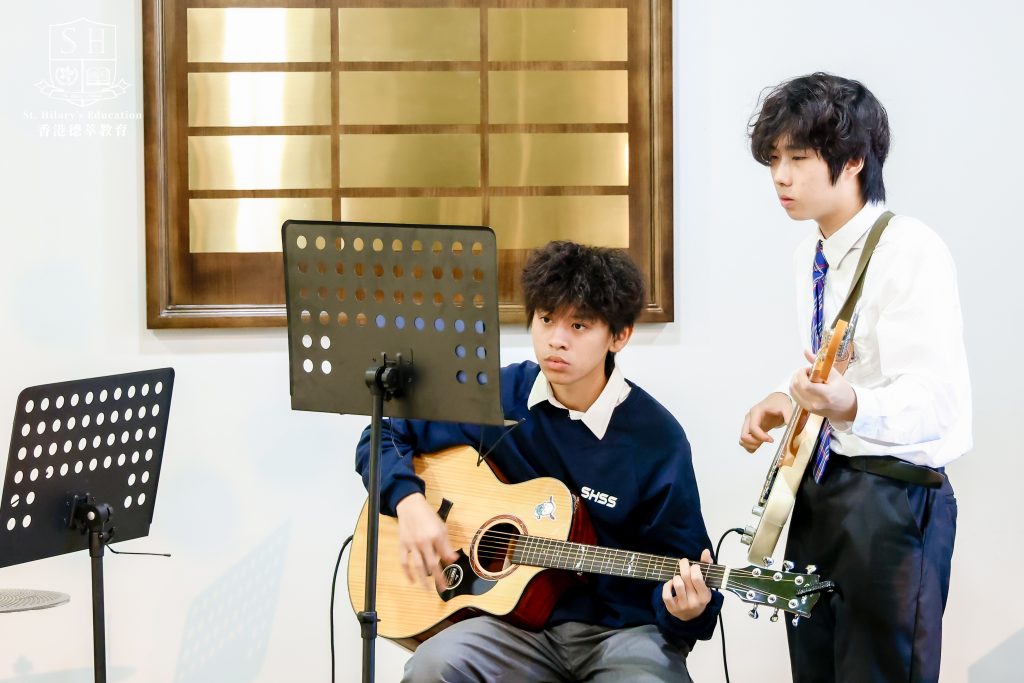
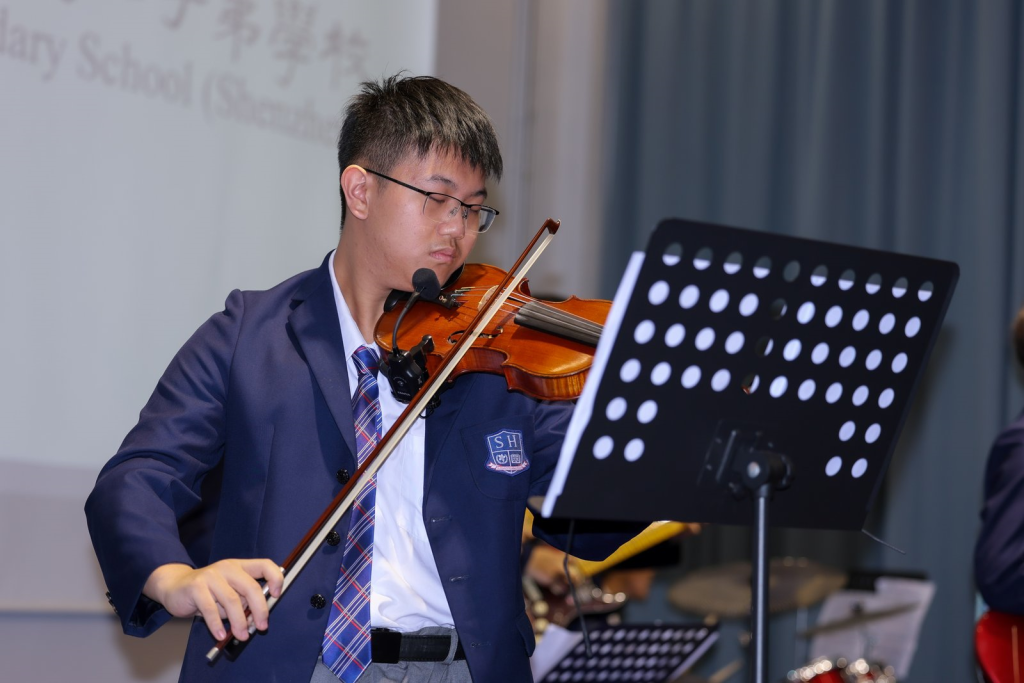
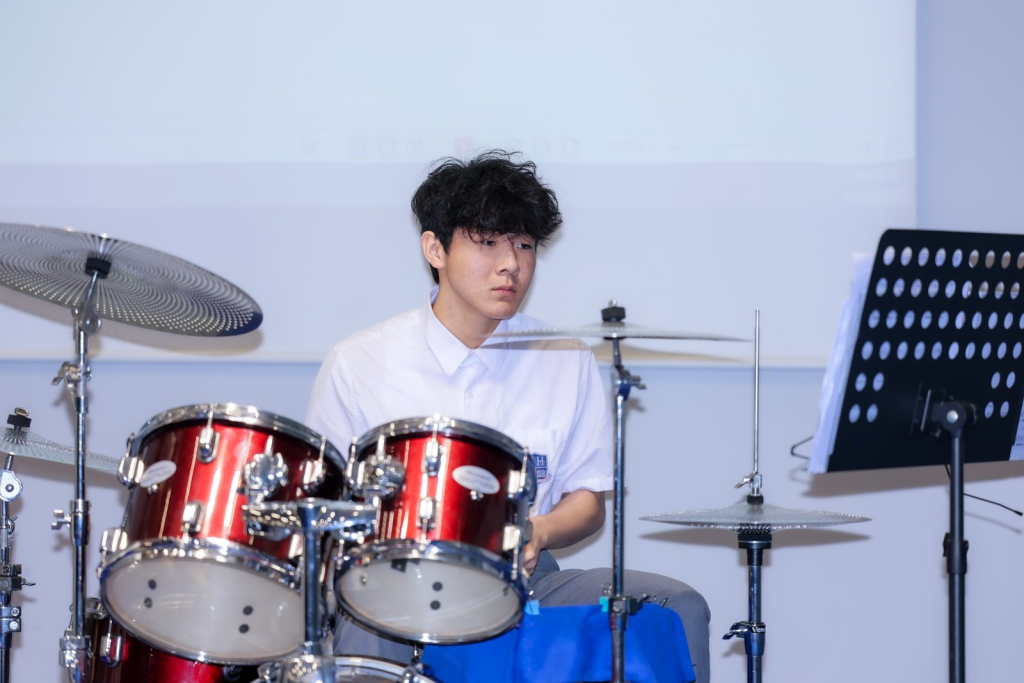
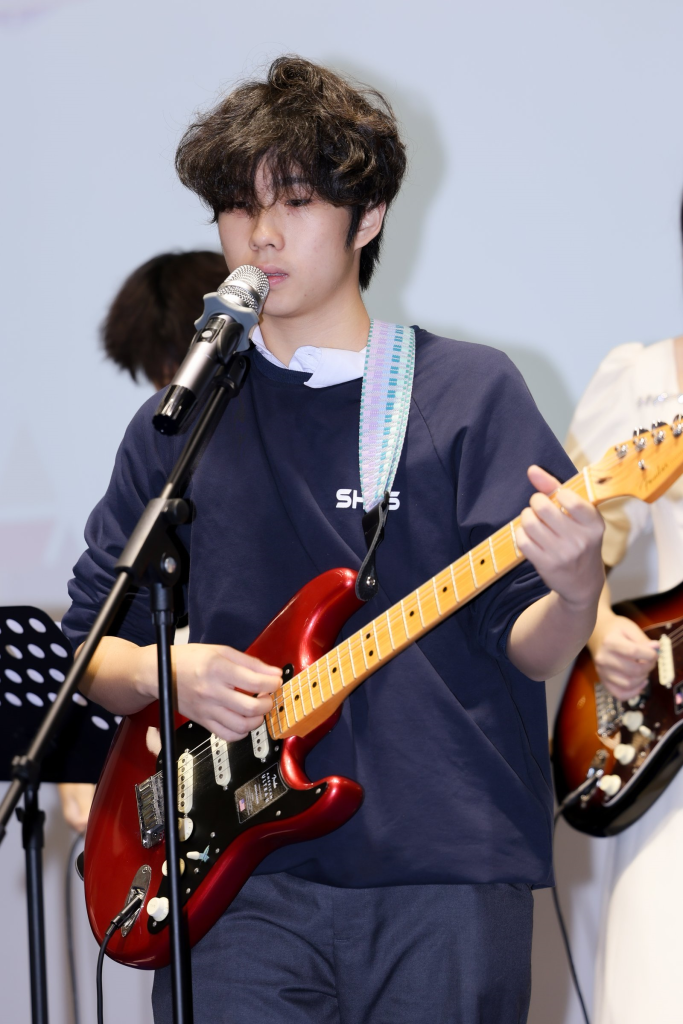
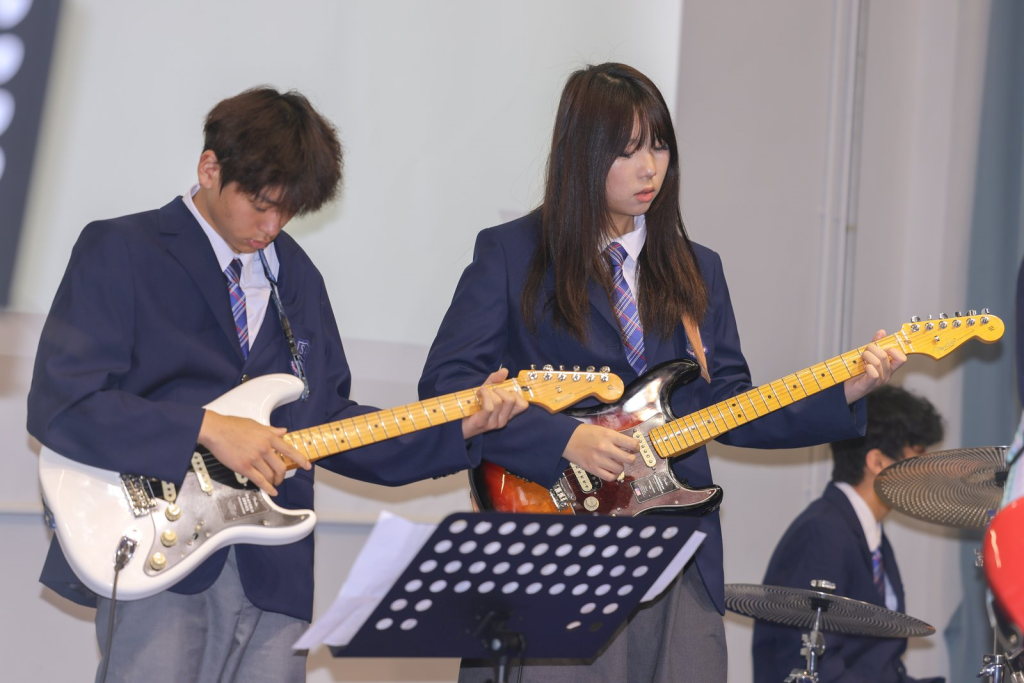
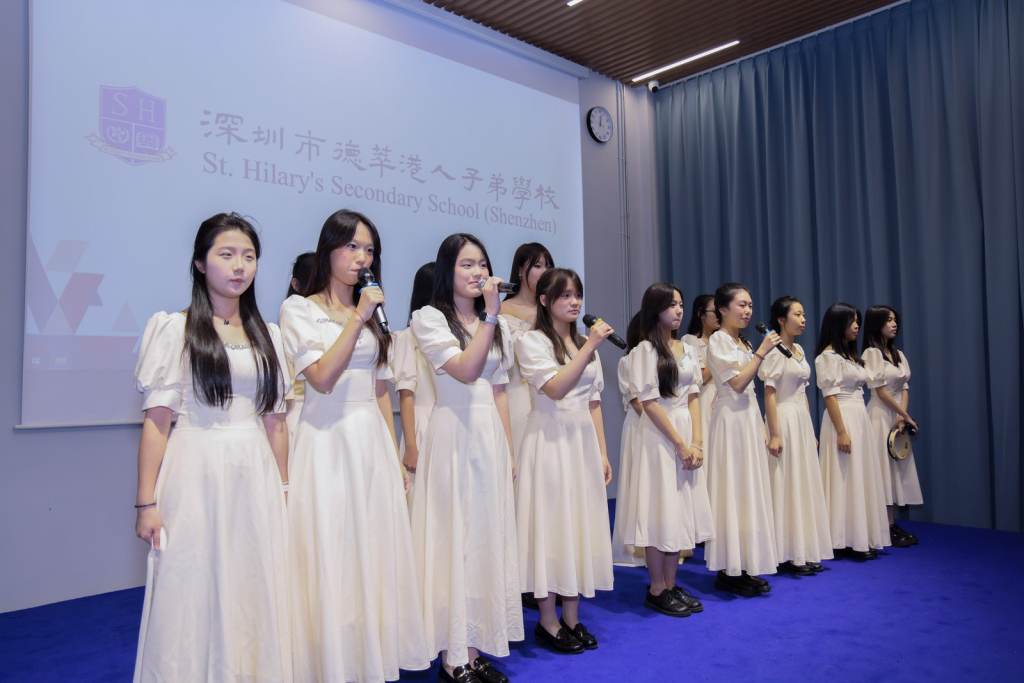
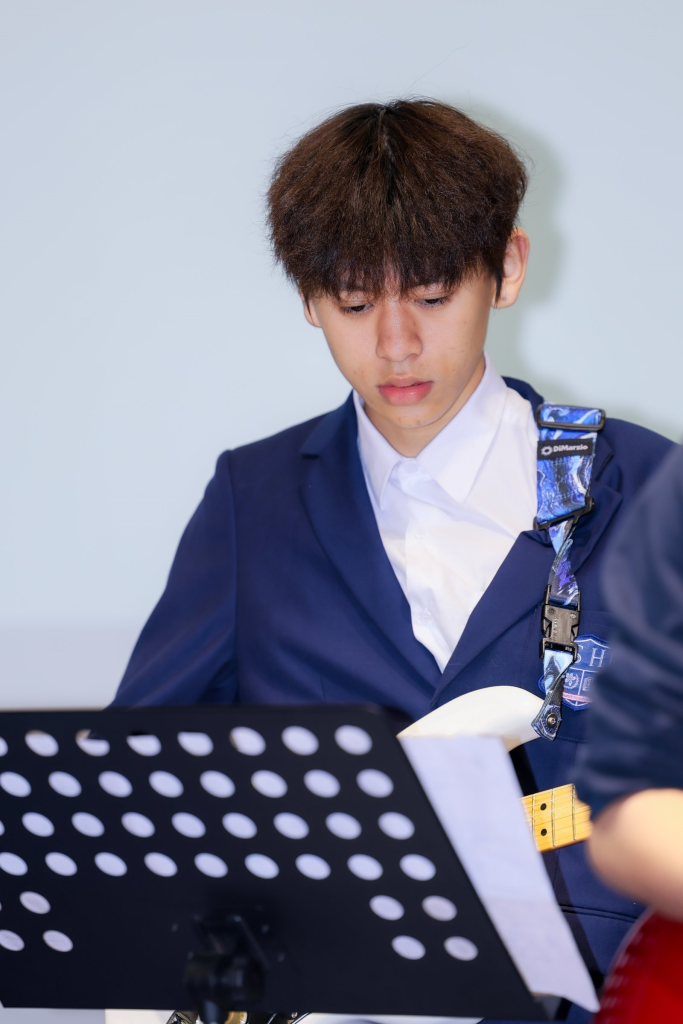
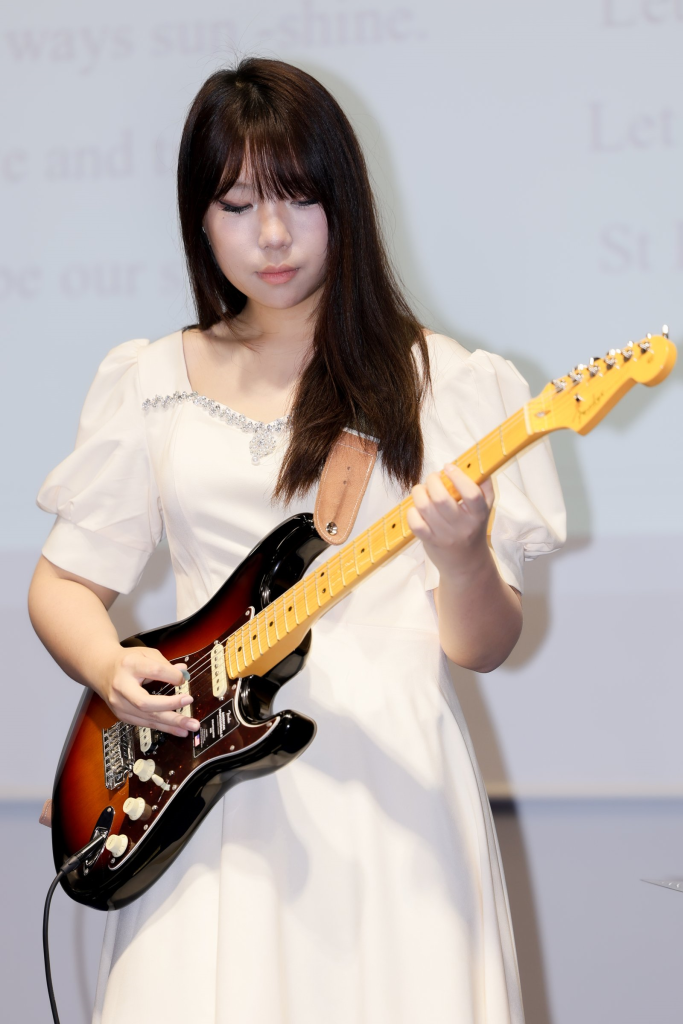
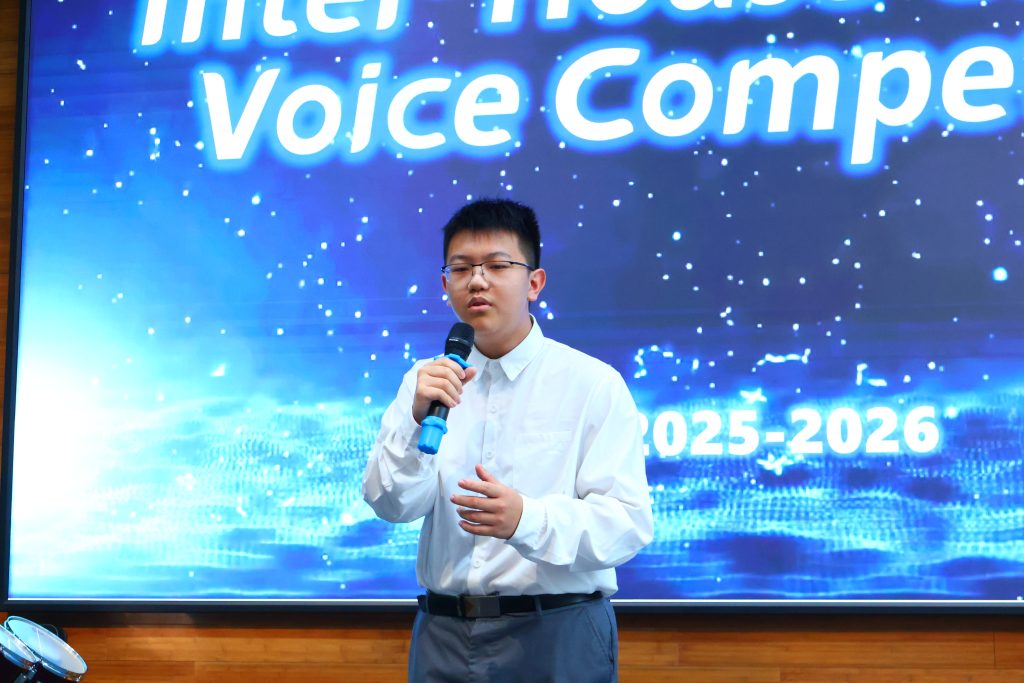
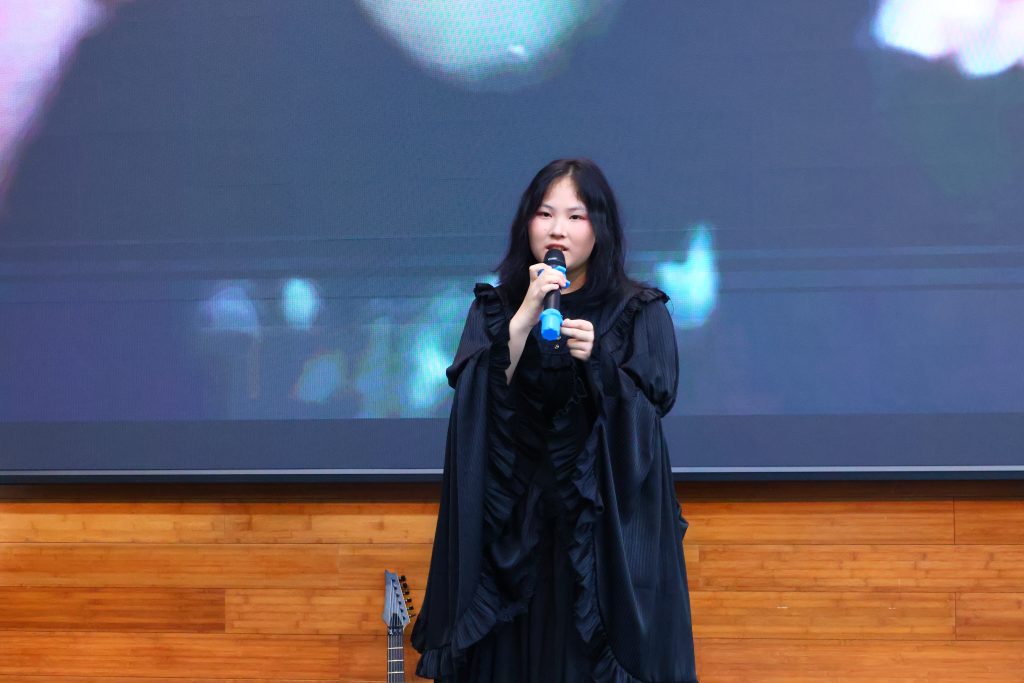
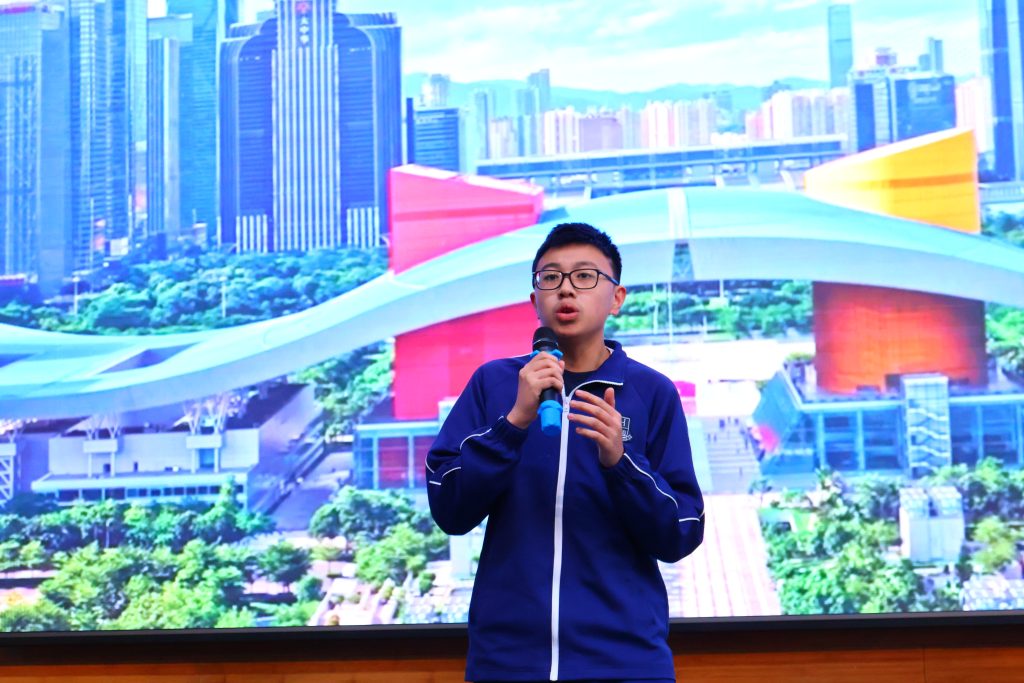
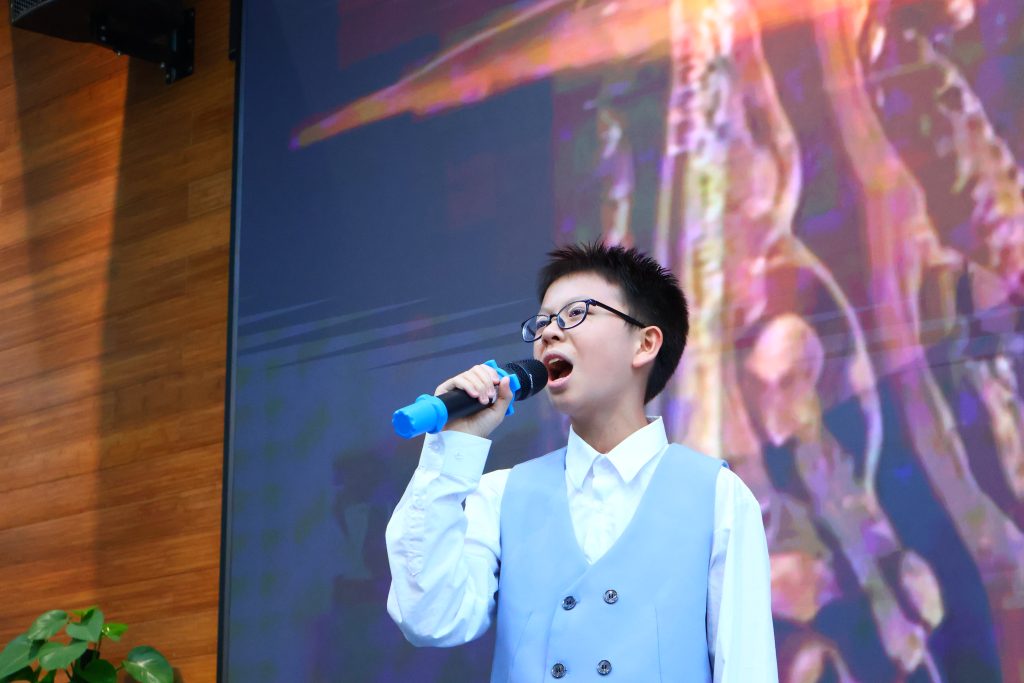
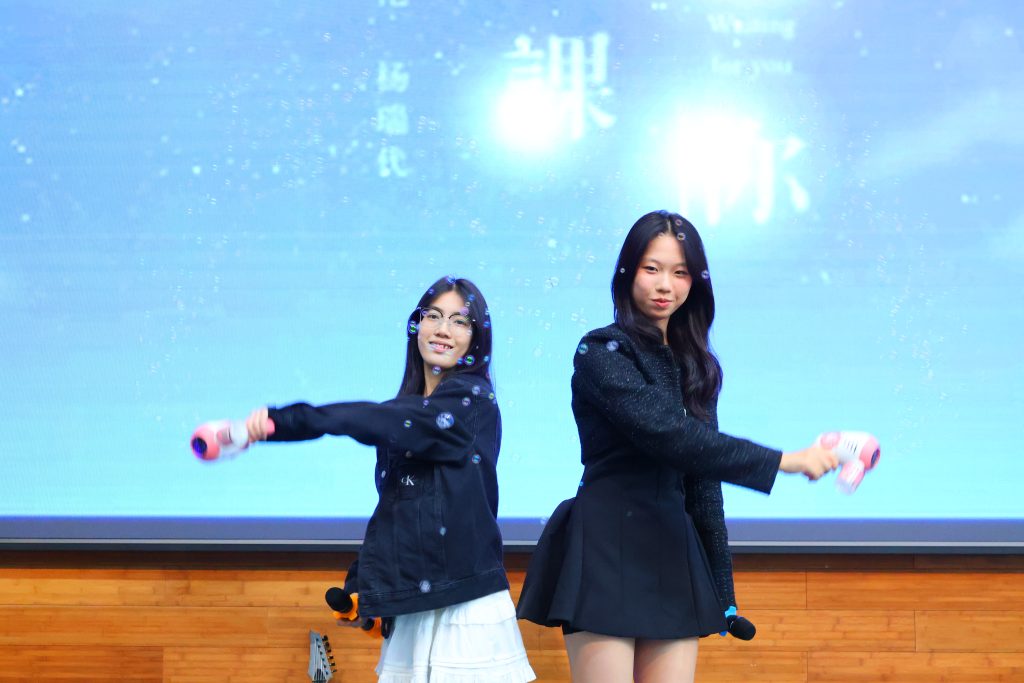
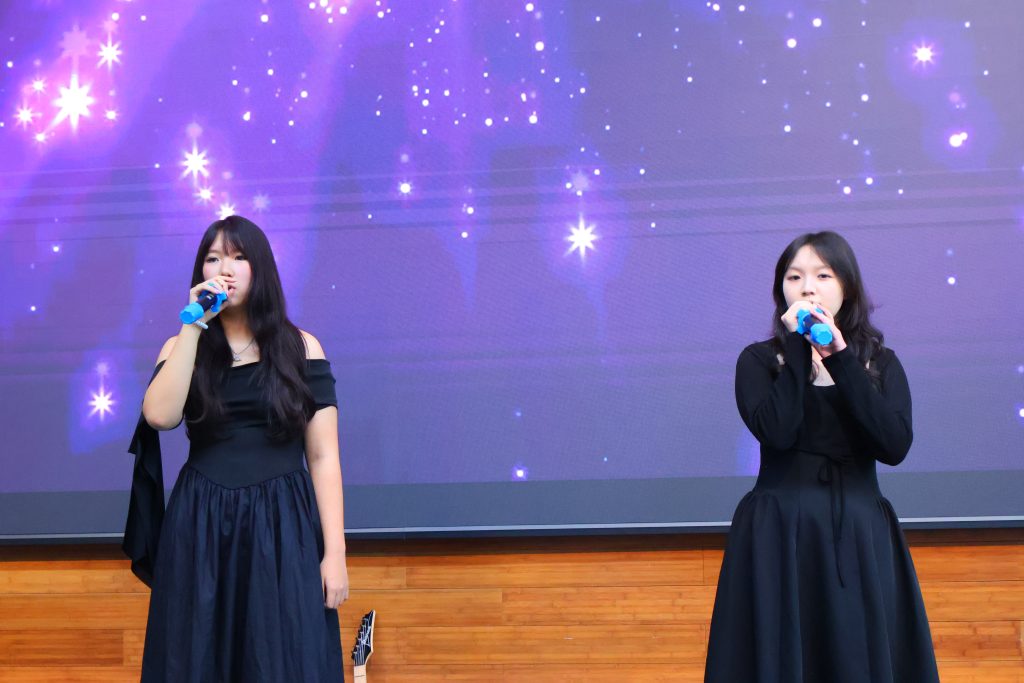
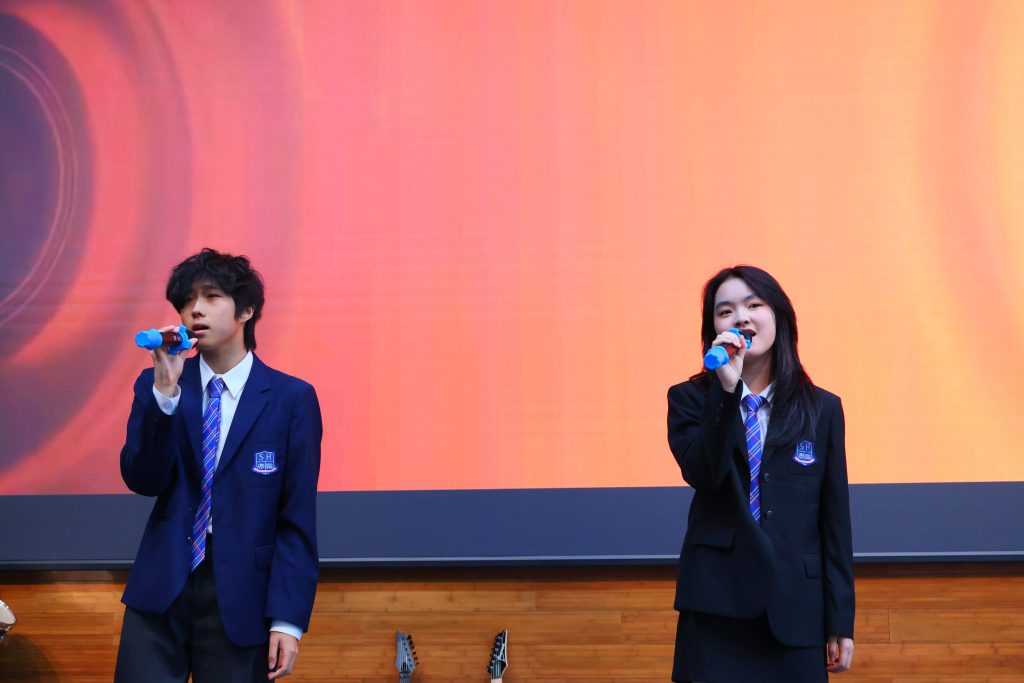
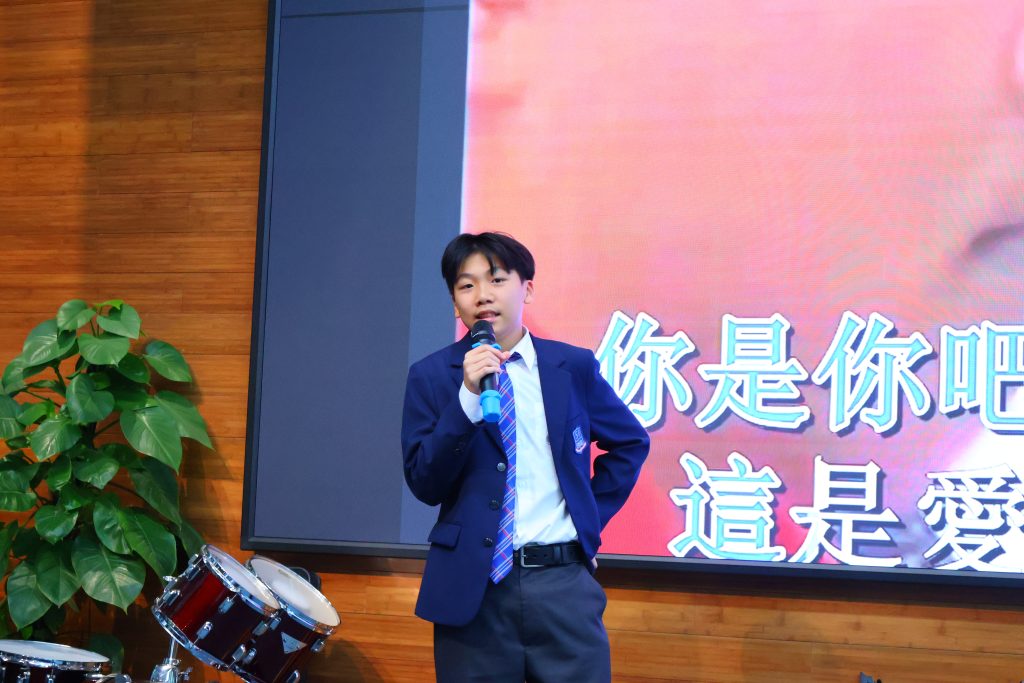
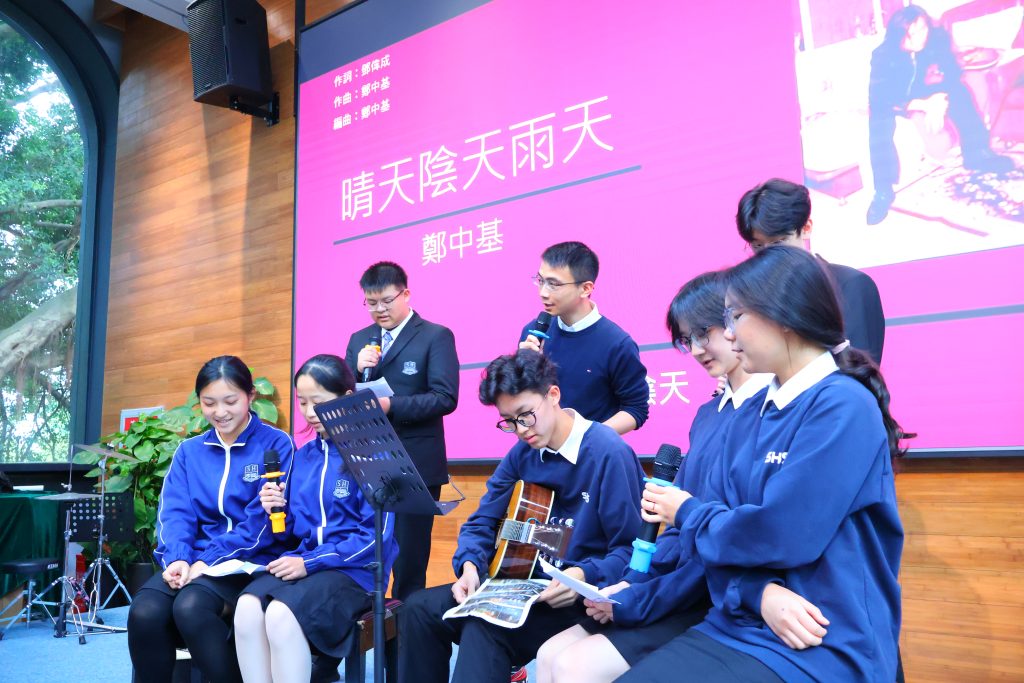
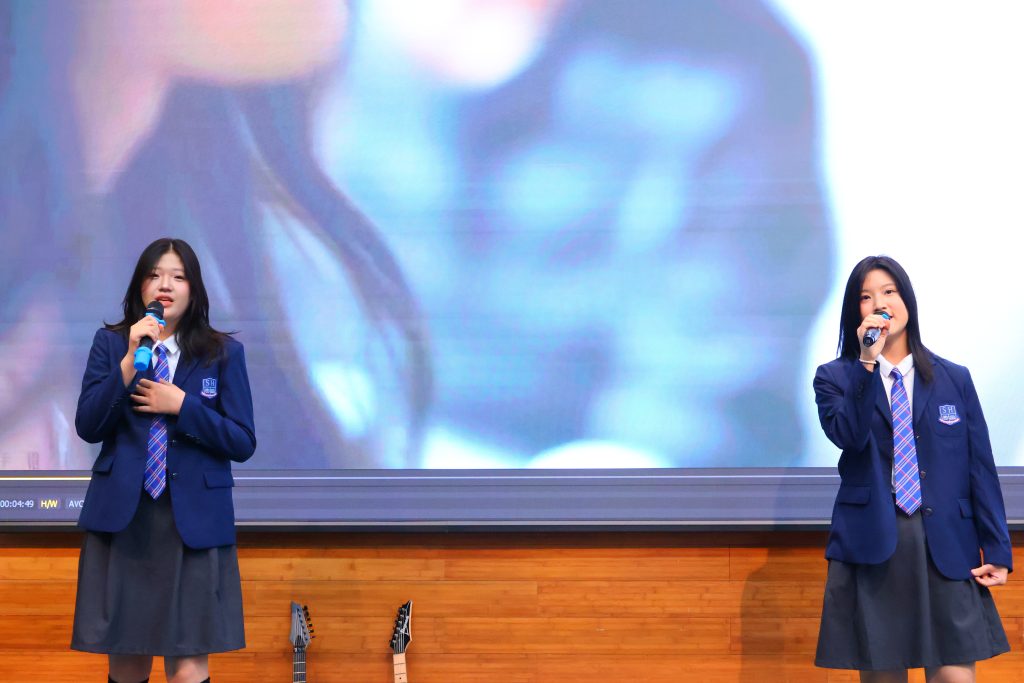
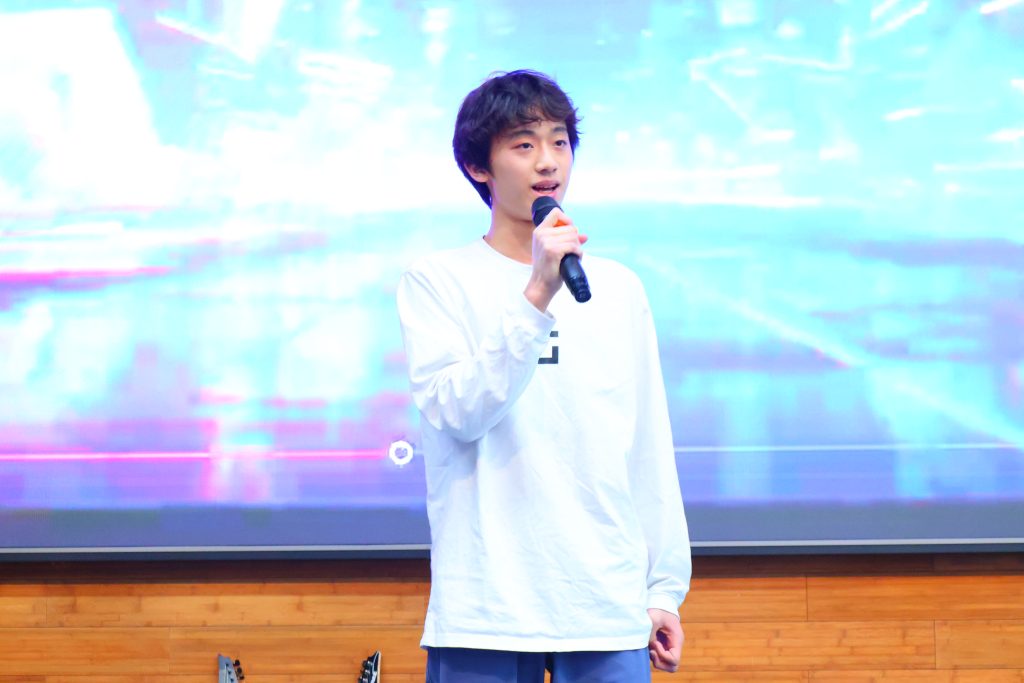
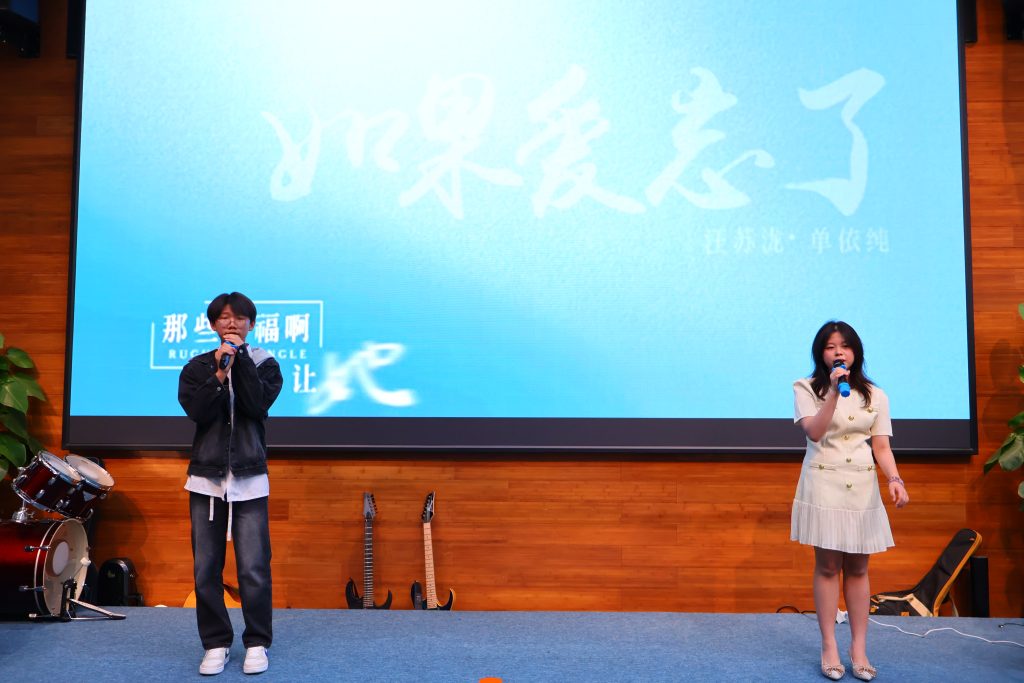
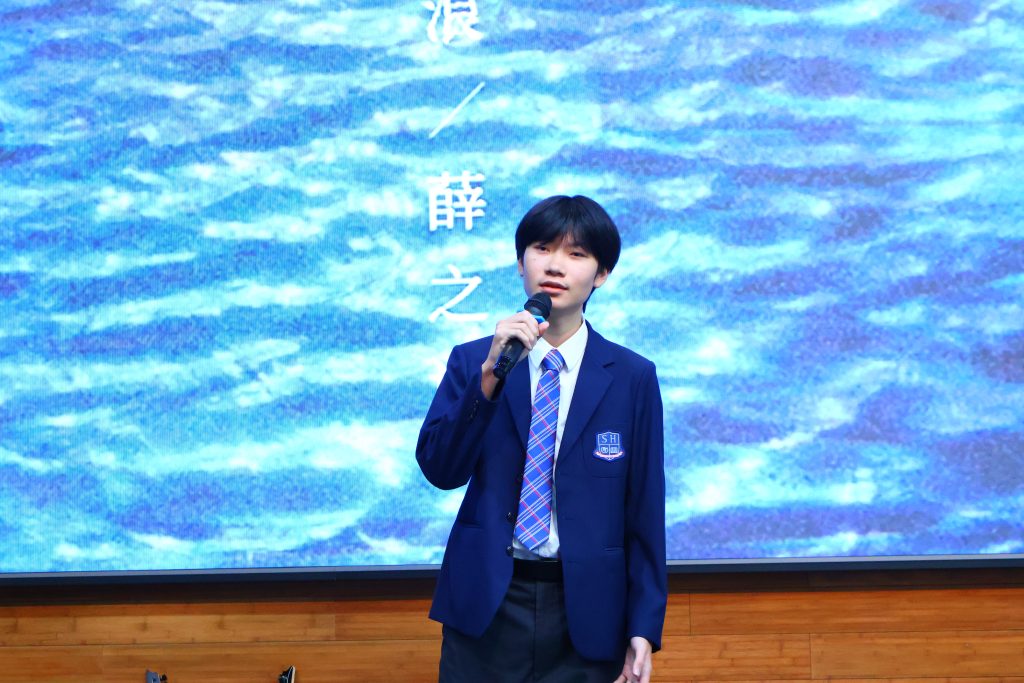
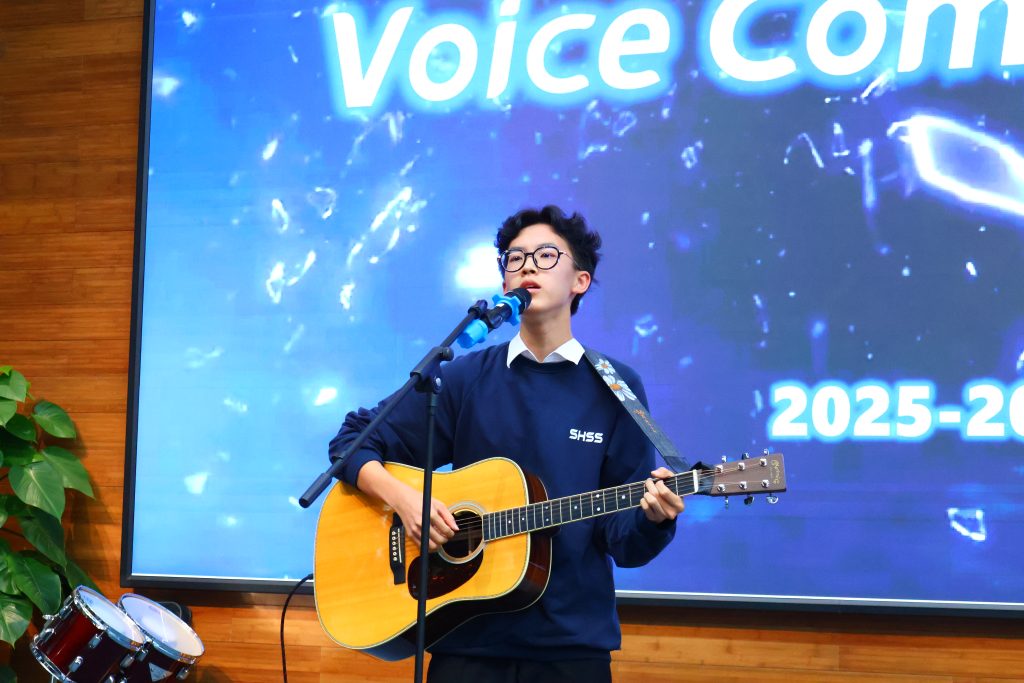
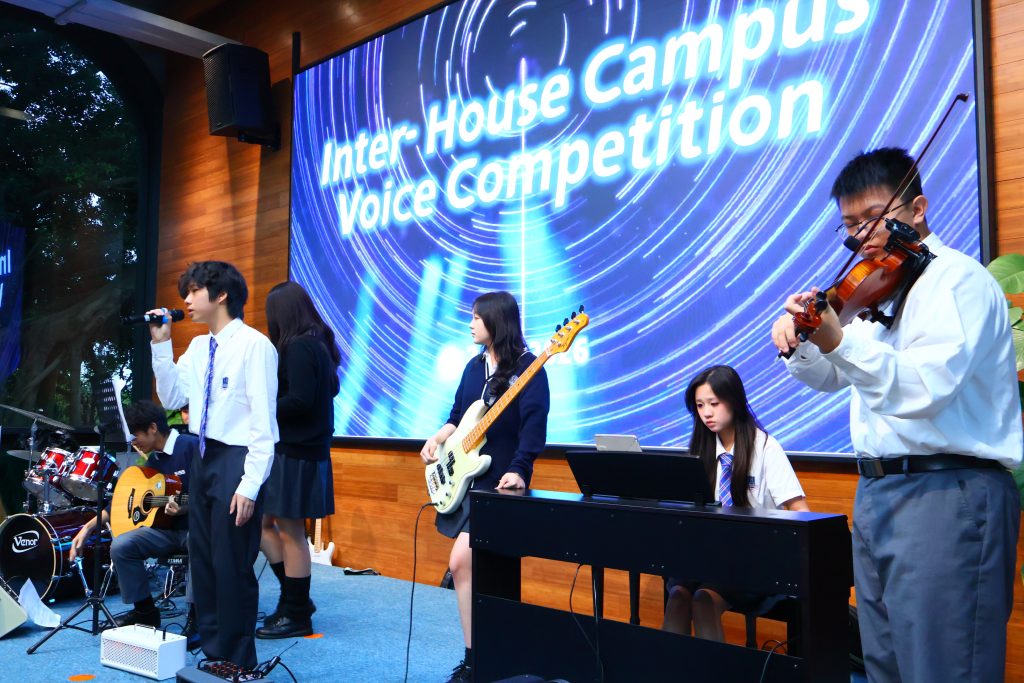
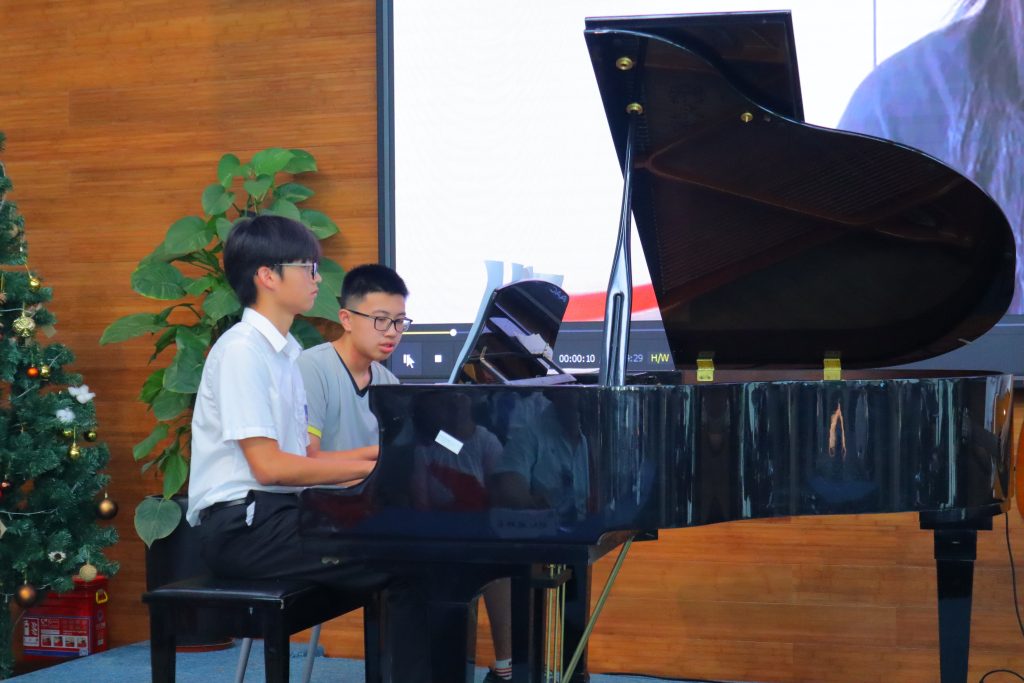
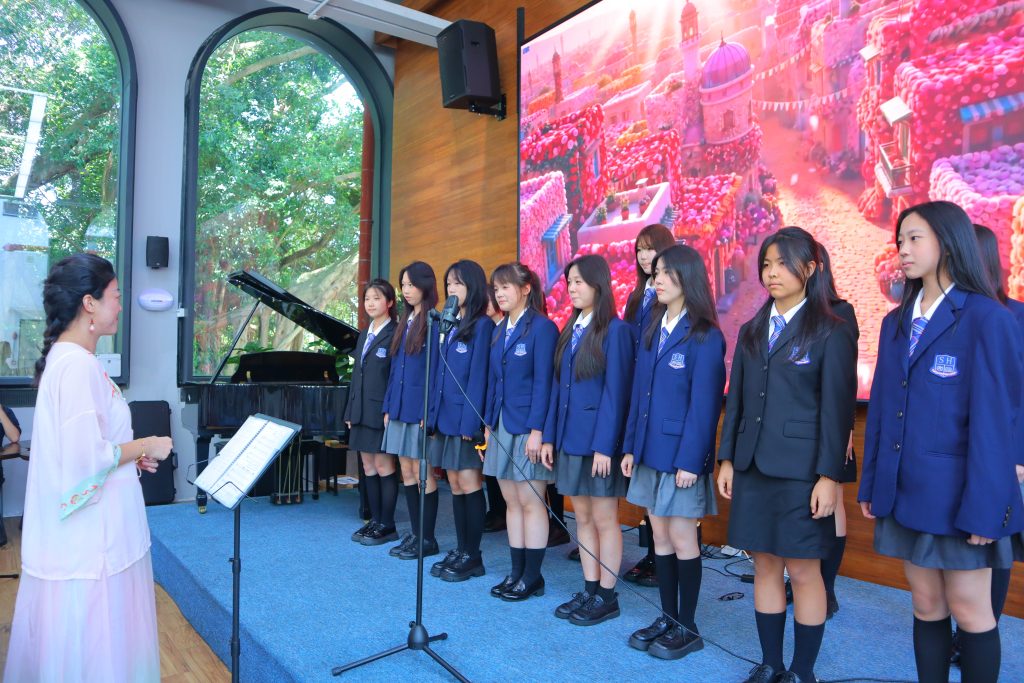
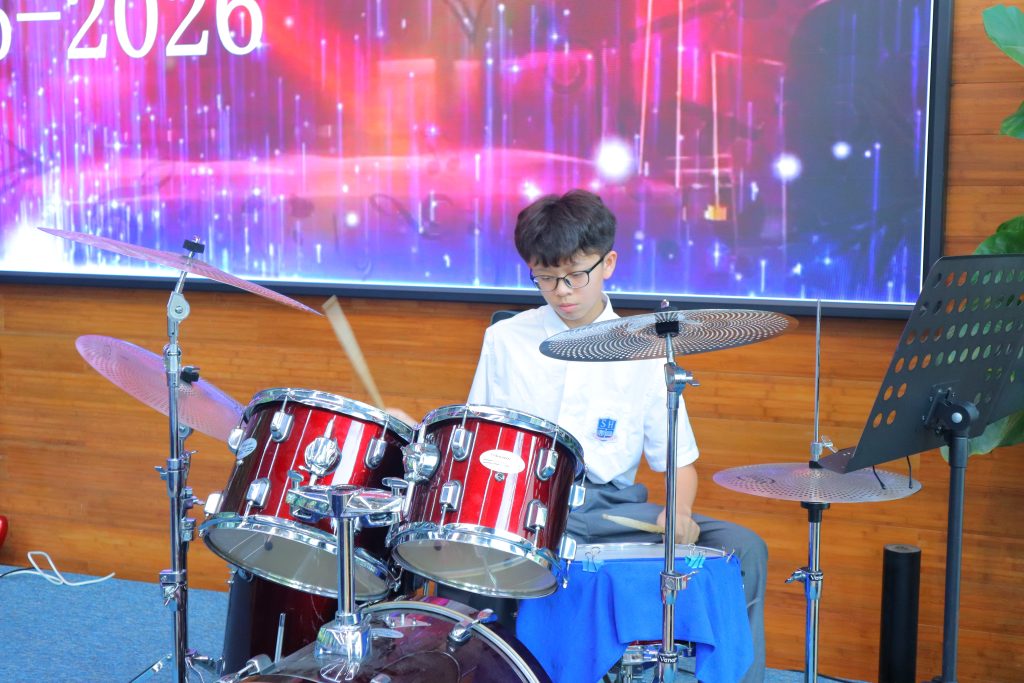
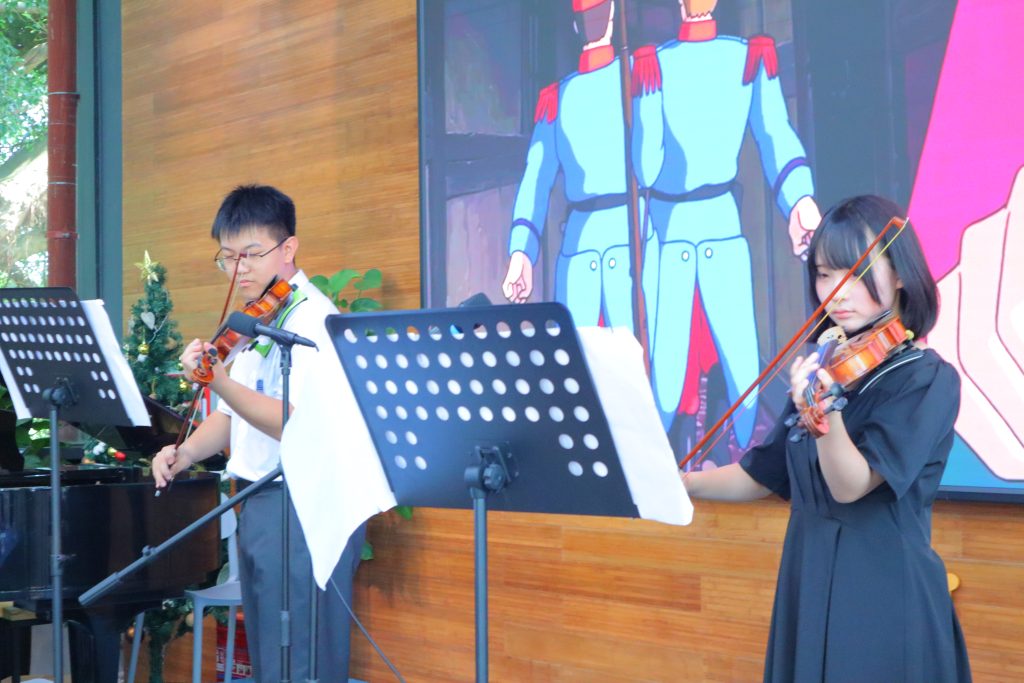
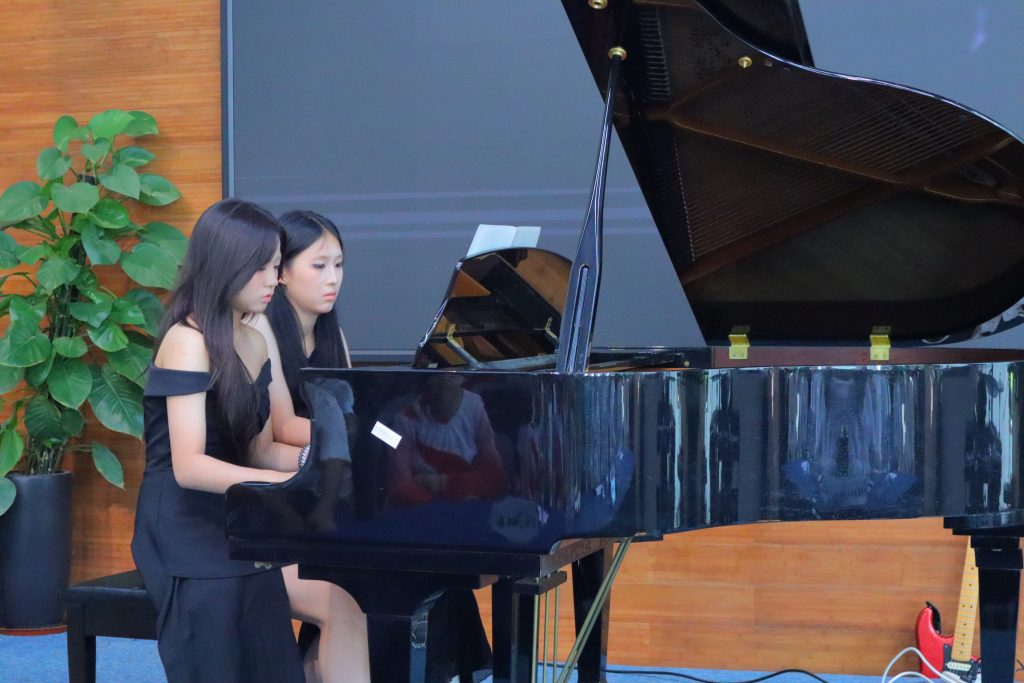
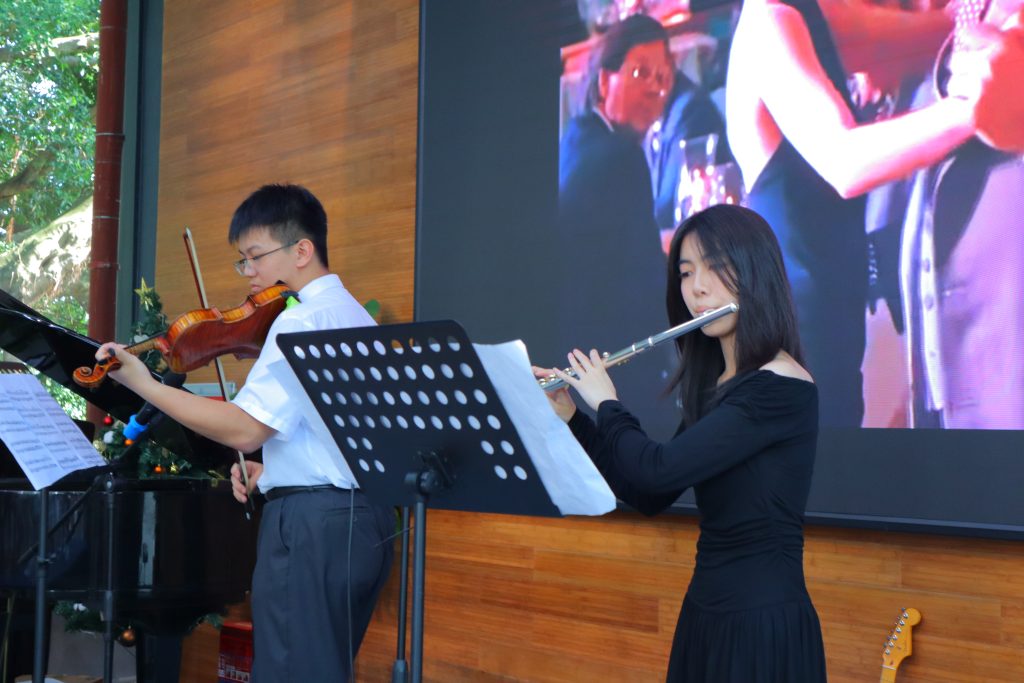
This is why music is such a vital element in the education of students at The Dean Academy Shenzhen (Shenzhen Decui School for Hong Kong Children). Students engage in performing, composing, listening, and analyzing through cutting-edge technology; this collaborative approach to making and creating music is the best way to elevate their artistic proficiency and help them enjoy music throughout all stages of life.
Music is not only a source of cultural pride and auditory pleasure, but also a crucial part of education because it empowers students with ideals. Let’s take a closer look at the benefits music brings:
Music makes abstract information concrete. This process compels us to develop key cognitive skills, including memory and pattern recognition—for instance, musicians memorize the melody of a piece as well as every single note within it. Furthermore, music teaches us about linguistic expression. The expressiveness students experience during musical performances helps them understand their own social and emotional development.
Music also teaches another fundamental skill that we constantly train from the moment children enter school—collaboration. Playing music teaches students the importance of making choices and encourages them to find their voice and express themselves. It provides opportunities for students to discuss, listen, plan, and execute together. Any group must rely on cooperation and collective effort to achieve its goals. Music is inclusive and interactive; it showcases not only individual skills but also the capabilities of the ensemble. Making music allows us to communicate with fellow musicians through both playing and listening.
Music helps enhance the brain’s cognitive abilities. It boosts memory—one can only perform music by remembering the notes. Musicians not only have more gray and white matter in their brains, but they also typically possess superior auditory skills and cognitive flexibility (the ability to switch thinking between two different concepts). Musicians also demonstrate better motor control, spatial coordination, and auditory processing skills.
Students participate in an internal curriculum focused on building a solid foundation in artistic creation and visual experimentation. During these formative years, students learn the elements and principles of art through hands-on experiences in drawing, painting, sculpture, and printmaking. They also explore mixed media and digital art, learning to reflect on their own creative processes. The curriculum emphasizes creativity, risk-taking, and the development of a personal visual language, laying the groundwork for more advanced studies.
Throughout the program, students benefit from a studio-learning environment that supports personal growth and expression. Opportunities such as exhibitions, visiting artist workshops, and field trips enrich the learning experience, helping students discover their creative voices and prepare for higher education or careers in the arts.
.png)