.png)
Artificial Intelligence
01. Subject Introduction
• The subject is centred on the core principles of ‘understanding principles, hands-on practice, critical thinking, and responsibility’, integrating PBL project-based learning. The curriculum covers image recognition, voice technology, Micro:bit hardware programming, 3D printing and AI-assisted web development, systematically cultivating students’ comprehensive AI literacy.
02. Department Philosophy
• Emphasises the empirical nature of technological inquiry and rejects rote learning. The curriculum values students’ deep understanding of AI operational mechanisms, cultivates critical thinking, guides students to reflect on the relationship between technological development and society, and establishes technological ethics and a sense of responsibility.
03. Vision and Mission
• Committed to nurturing future citizens with AI literacy, equipping students to adapt to a technologically advanced society. Students are expected to use AI tools to solve real-world problems while responsibly examining the boundaries of technological applications, becoming tech talents with international perspectives.
04. Curriculum Framework
• The curriculum is divided into foundational and advanced stages. The foundational stage covers basic AI applications such as human pose detection and voice interaction; the advanced stage extends to AI multimedia creation and web system development, integrated with Micro:bit and 3D printing to build a comprehensive technical learning system.
05. Graduate Attributes
• Students are expected to possess foundational AI knowledge, hands-on practical skills and interdisciplinary thinking. They should critically evaluate technological information, understand AI’s impact on society, and demonstrate a high sense of responsibility and ethical literacy when applying technology.
06. Junior and Senior Secondary Curriculum
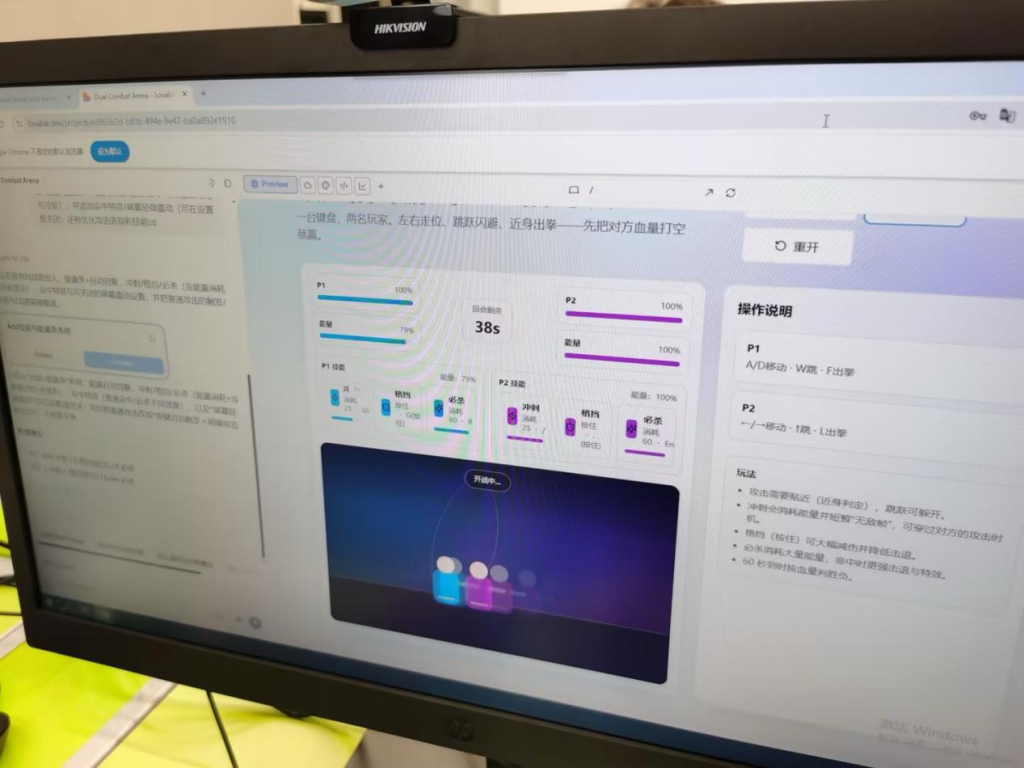
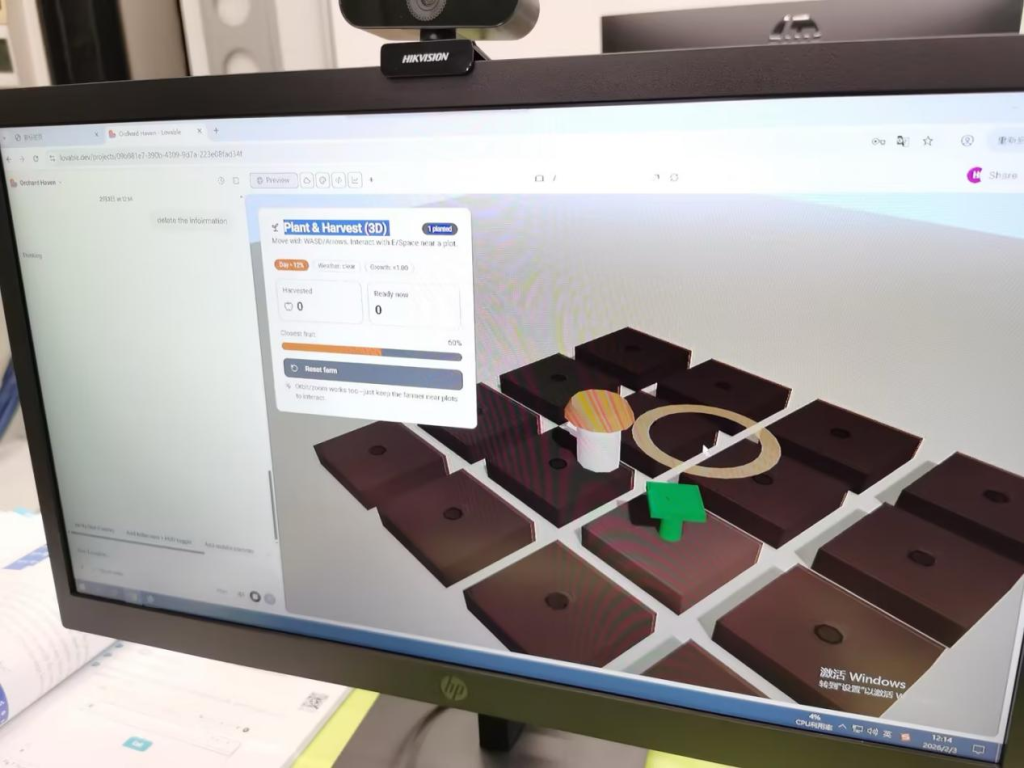
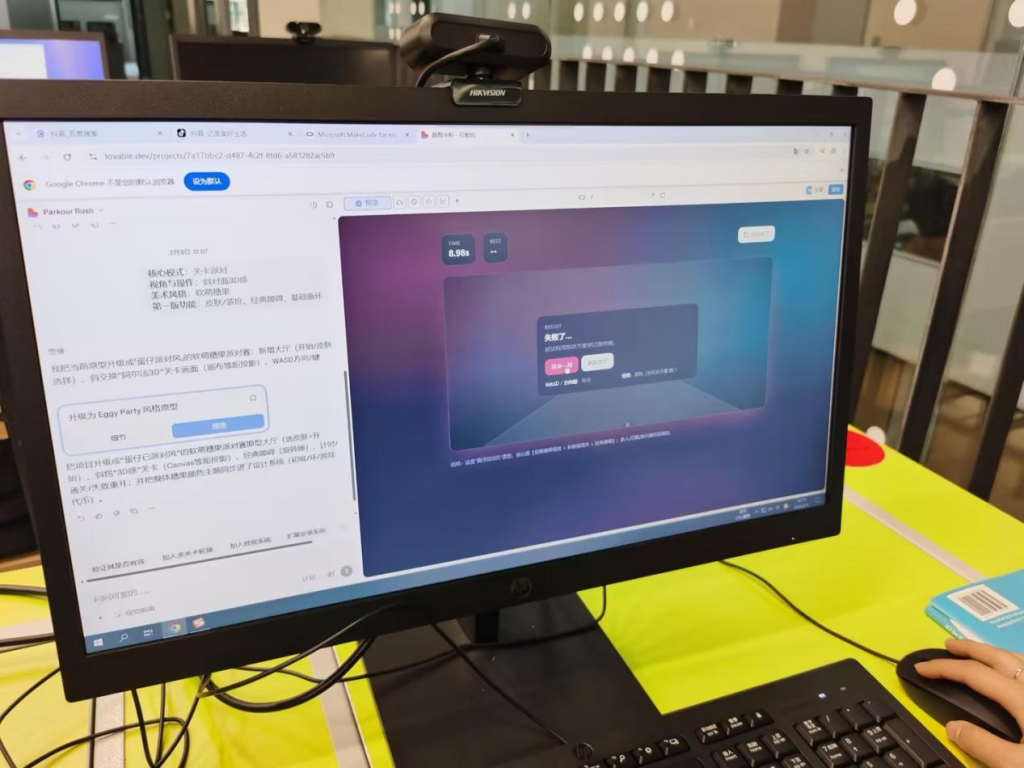
• The junior secondary stage focuses on AI foundational awareness and project initiation, sparking interest through activities like image recognition. The senior secondary stage deepens Vibe Coding web development and hardware integration, training students to independently solve complex problems.
07. School-based AI Excellence Programme
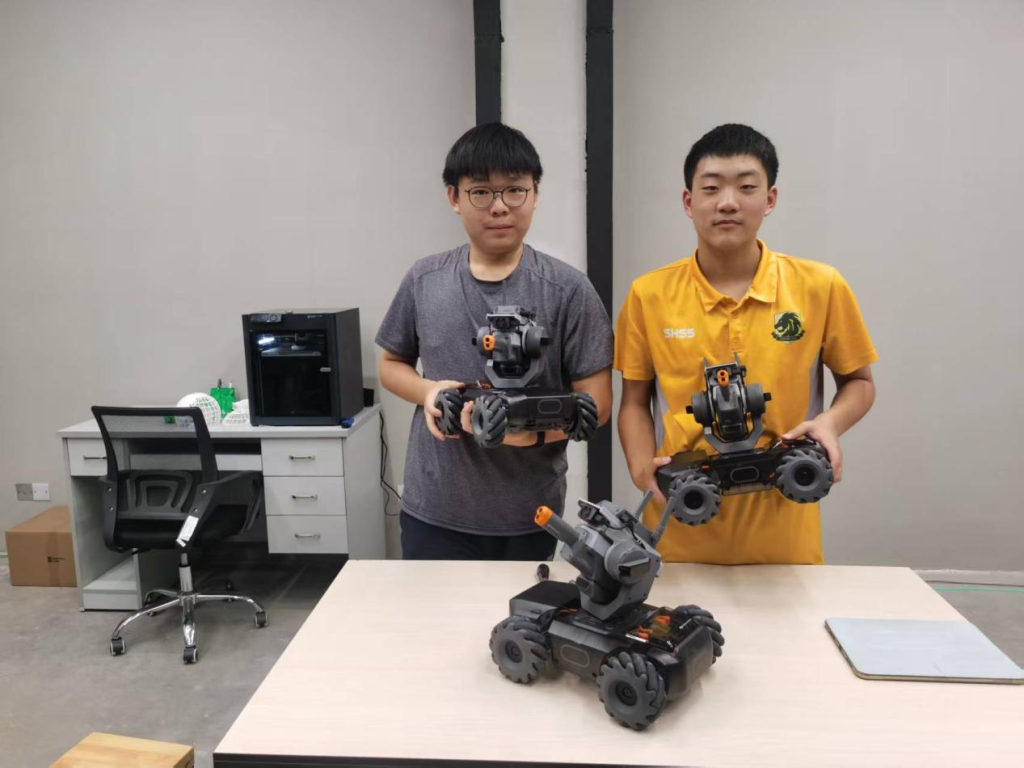
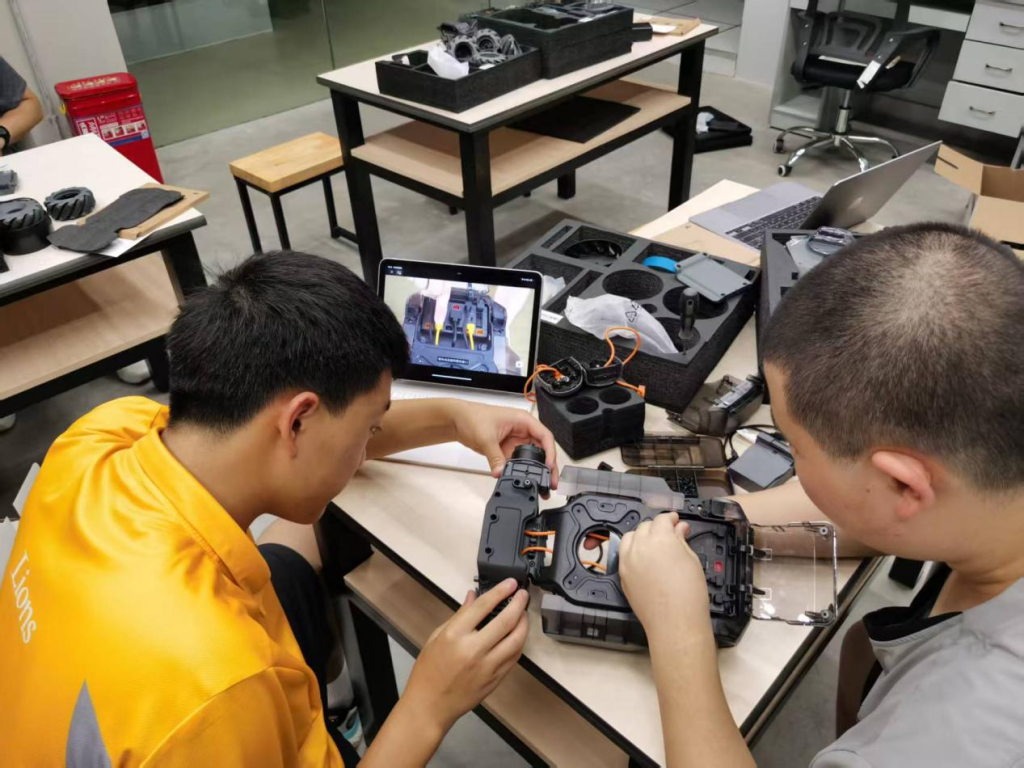
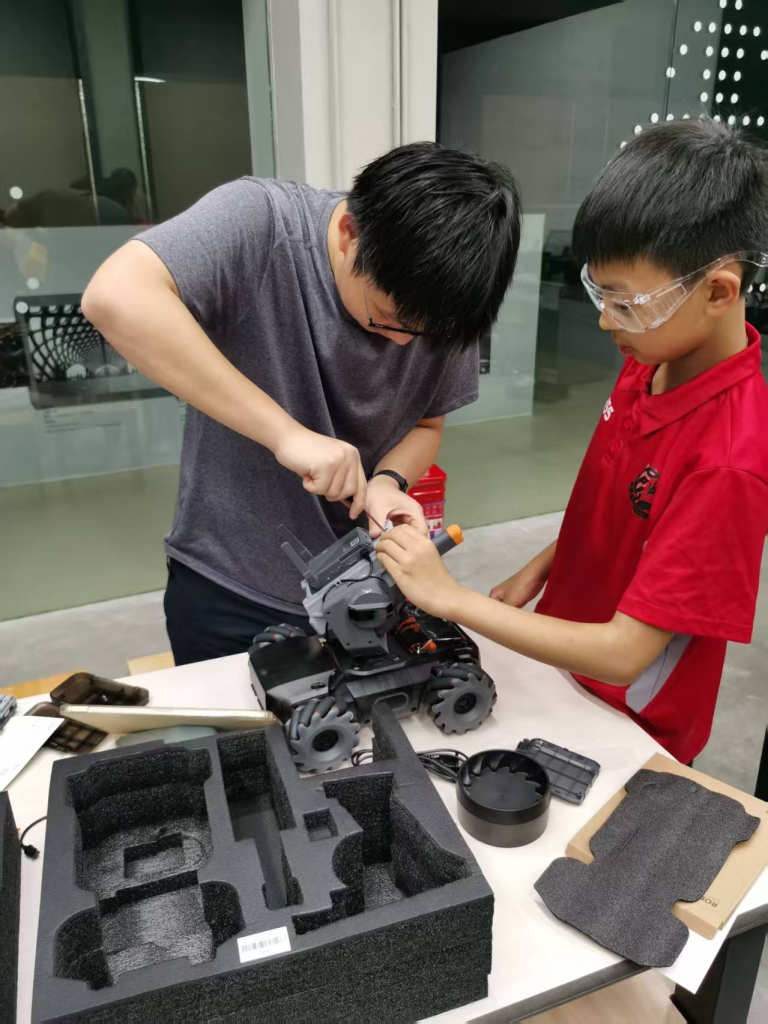
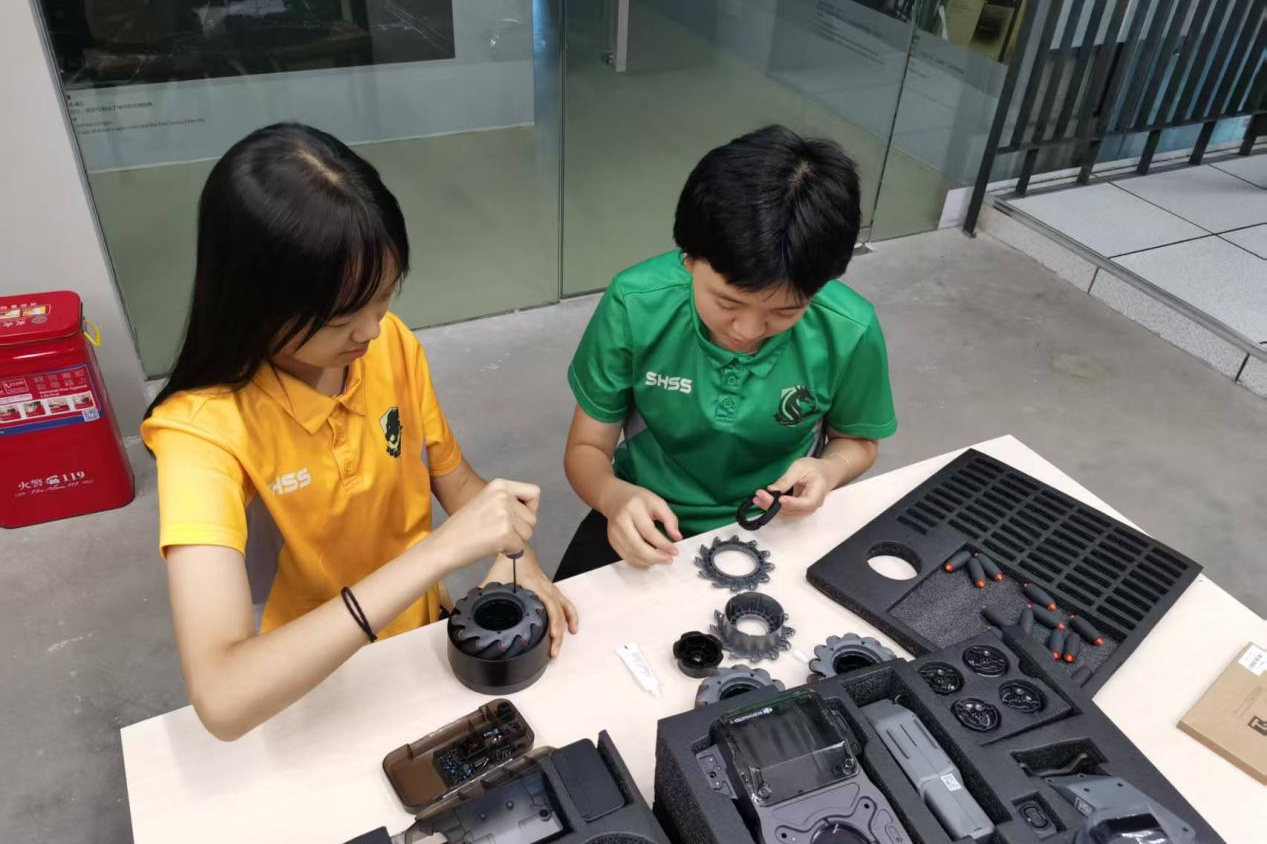
• Provides differentiated instruction and ECA extension courses. Students can participate in Unitree robot dog interactive programming and RoboMaster hands-on projects, undergoing complete practical training from structural assembly to program control.
08. Signature Programmes
• The core consists of PBL thematic projects and STEM interdisciplinary initiatives, emphasising real-world application. Integrated creation combines art and science, while AI ethics topics are introduced to guide students in reflecting on technological boundaries and fostering a responsible attitude towards use.
09. Teaching, Learning and Assessment
• Teaching is guided by the principle of ‘learning by doing, creating through understanding’. Assessment combines process records, project outcomes and skills tests to dynamically evaluate students’ practical technological abilities, while providing immediate feedback to guide continuous improvement and optimisation.
10. AI Learning Beyond the Classroom
• Encourages participation in technology clubs, corporate visits and AI-related competitions. Through exchange activities with leading tech companies, students gain first-hand knowledge of cutting-edge AI applications in practice, inspiring their passion for exploring the future.
11. Leadership, Innovation and Global Learning
• Through roles such as technology project leaders and coding mentors, organisational and leadership abilities are cultivated. Students actively participate in cross-school technology projects, exploring AI applications in global environmental protection and sustainable social development, broadening their horizons.
12. Our Learning Community
• Composed of professional technology teachers and students passionate about exploration. The Department values cross-disciplinary teacher collaboration and peer learning, fostering an open, innovative and sharing-oriented AI learning atmosphere.
13. Closing Message
• AI literacy is a fundamental capability for the future society. The Department not only assists students in mastering cutting-edge technological tools, but also aspires to nurture a new generation equipped with critical thinking and the ability to rationally assume technological responsibility, truly achieving the goal of improving the world through technology.
14. Student Achievements
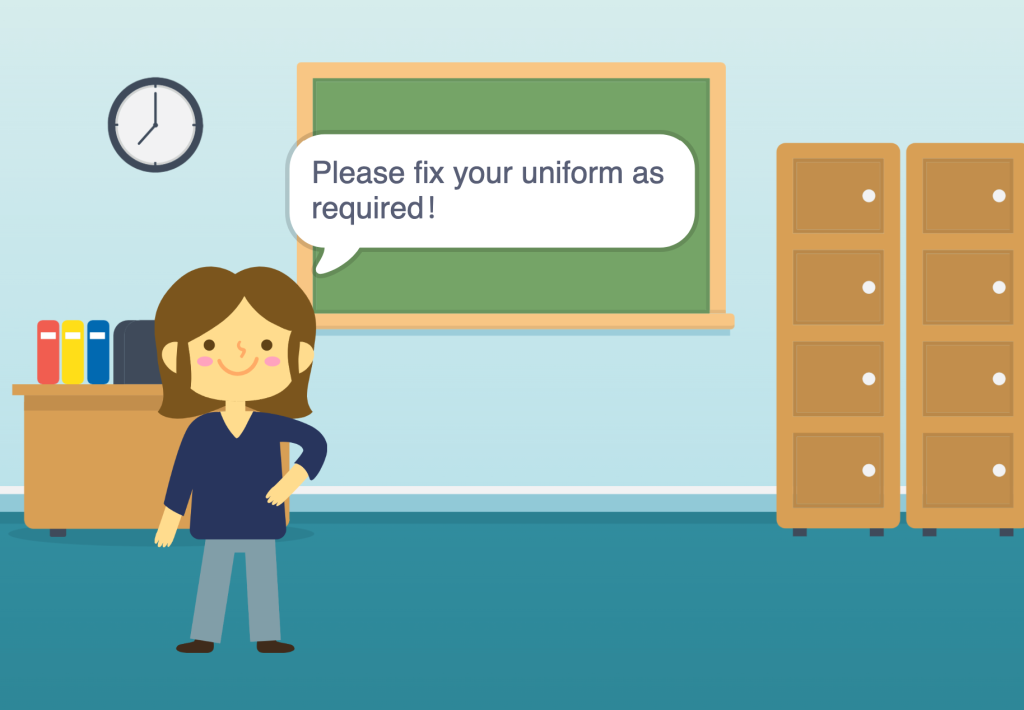
Campus Appearance and Etiquette Detection System
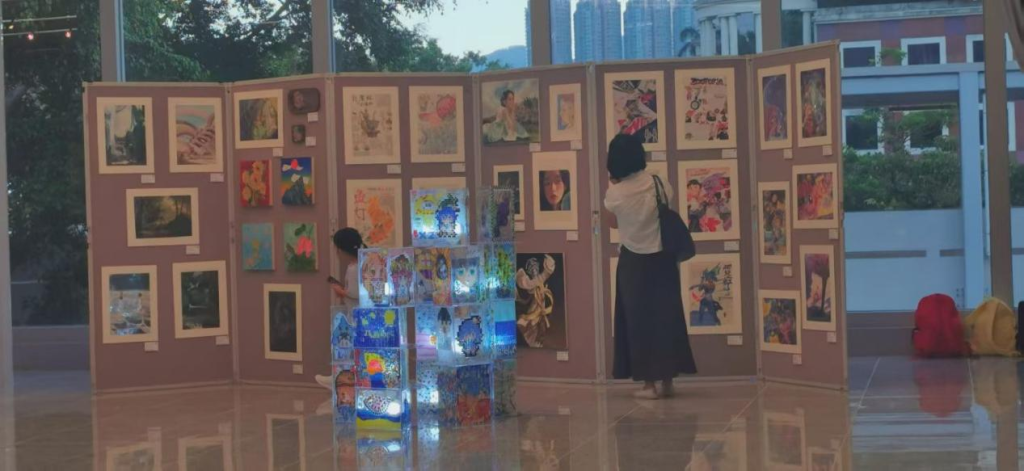
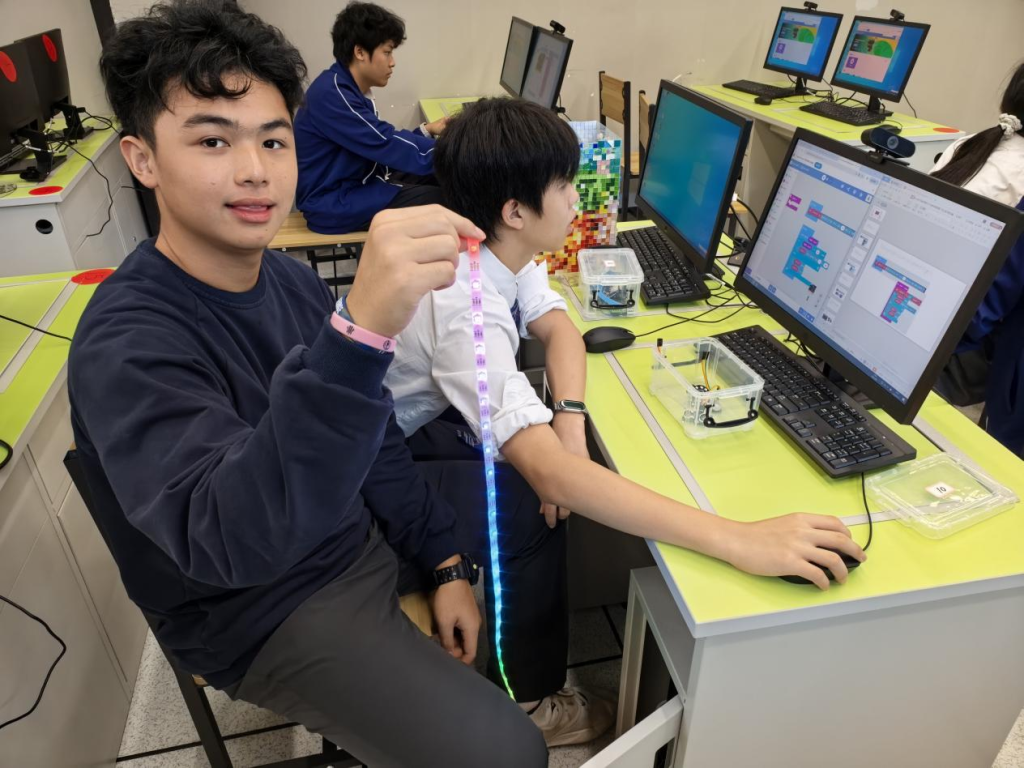
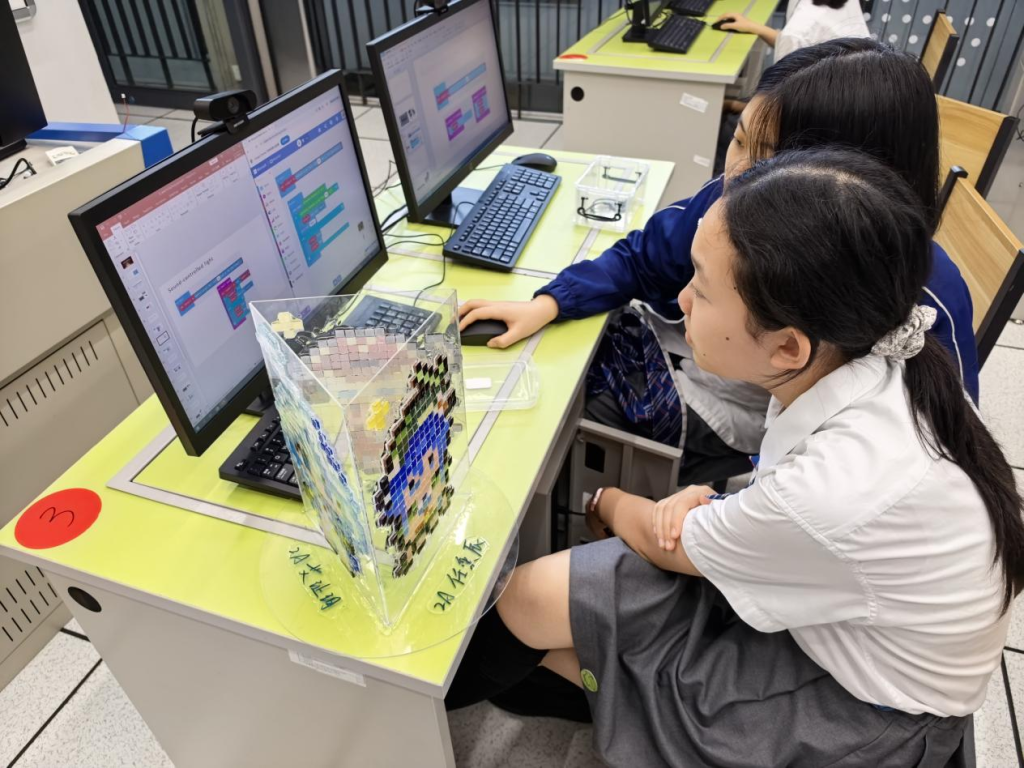
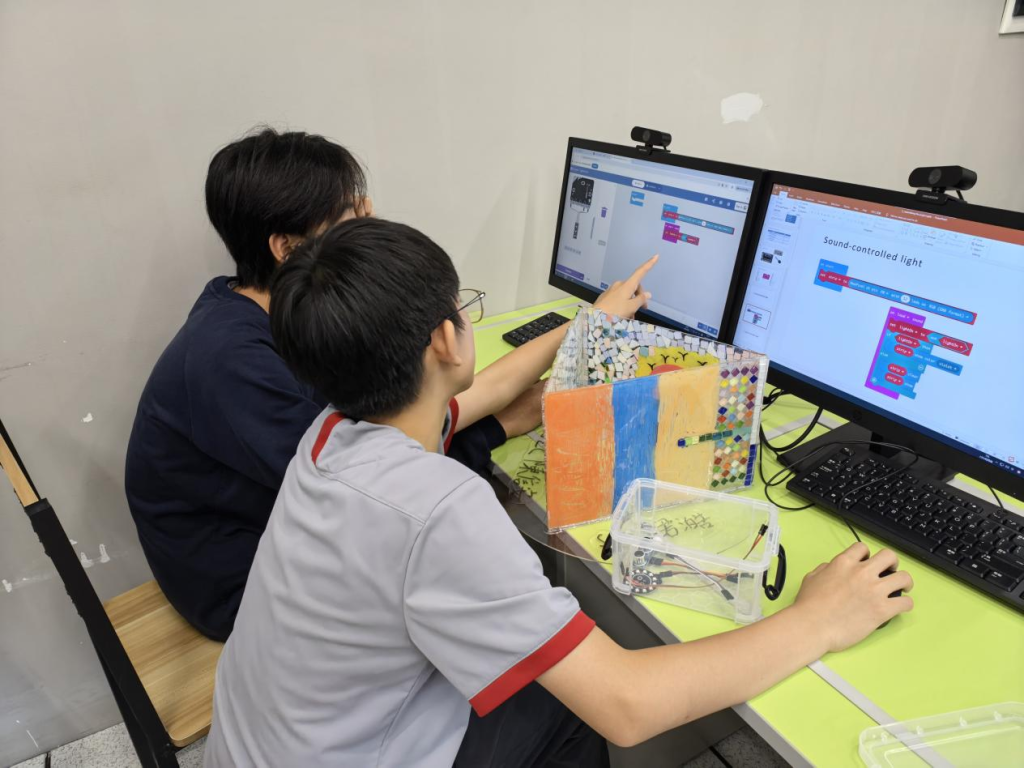
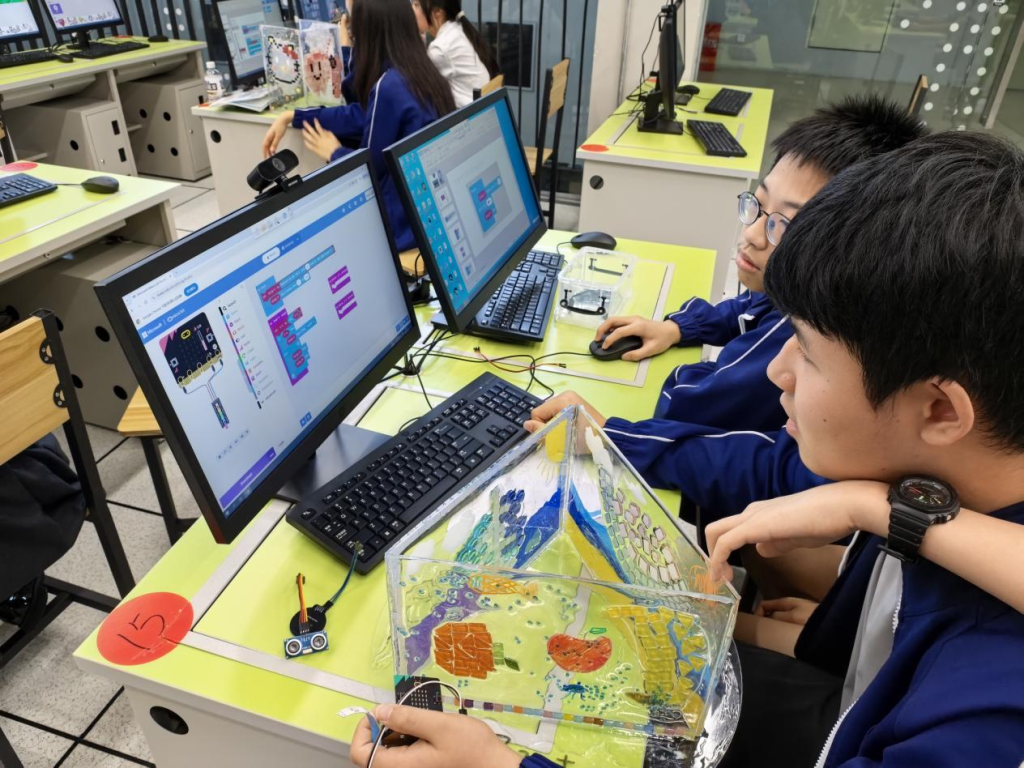
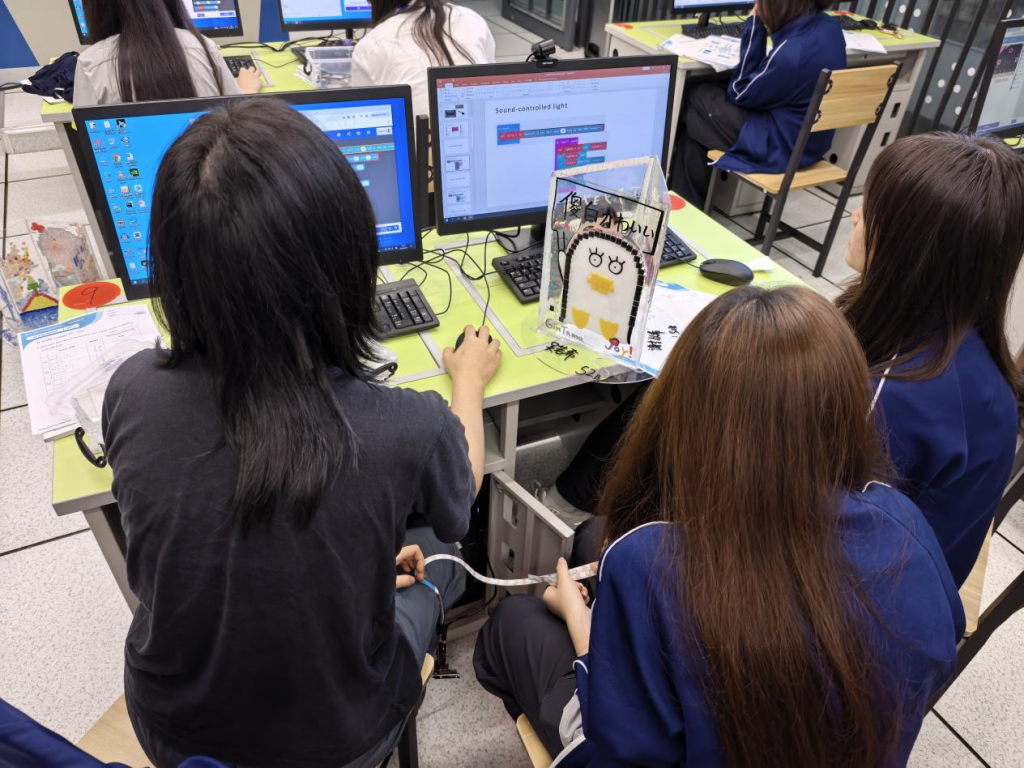
Mosaic Lamp STEAM Project
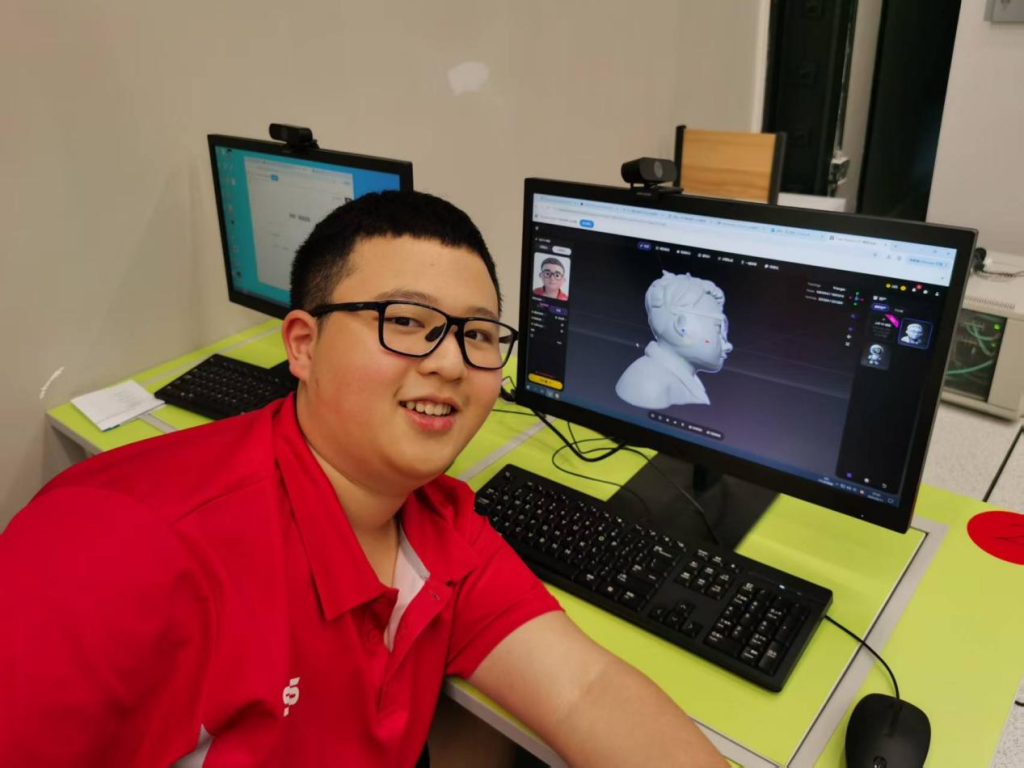
Generating Q-version 3D Avatars Using AI Technology
RoboMaster Assembly
Designing Lighting Effects for the Mosaic Lamp
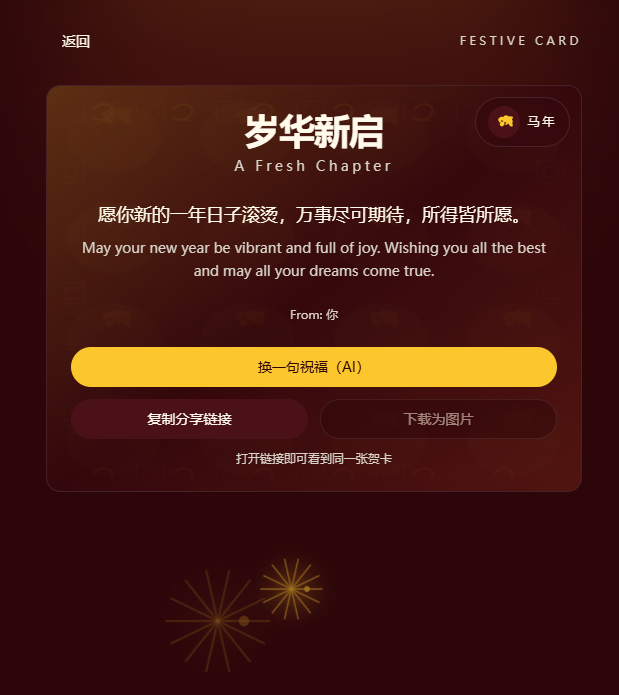
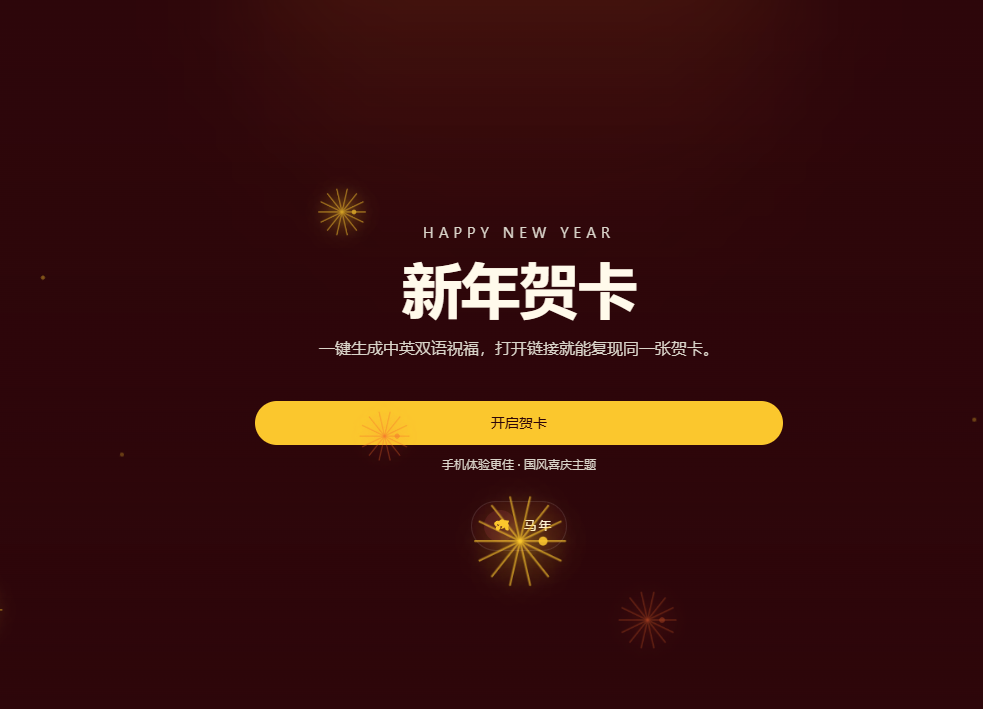
Vibe Coding Student Works
.png)